o-Phenetidine → HCID 58228561, compound
Reaction equation

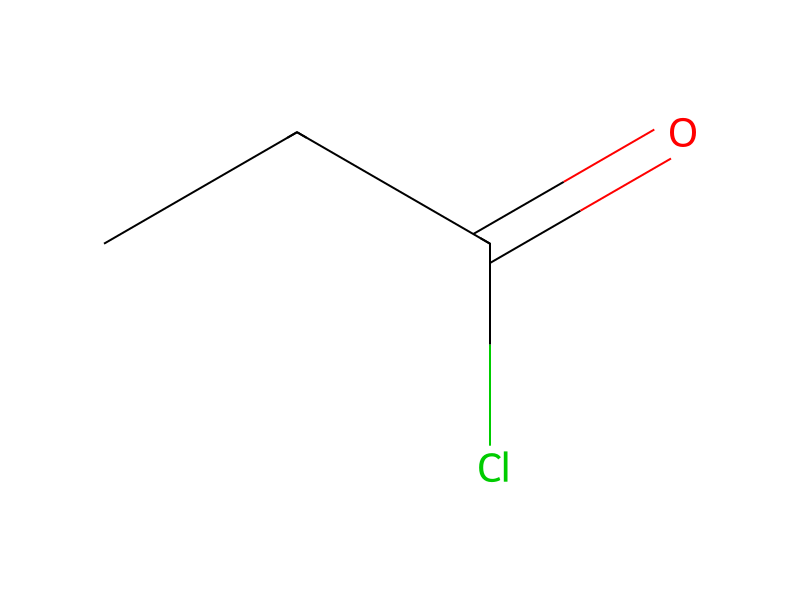
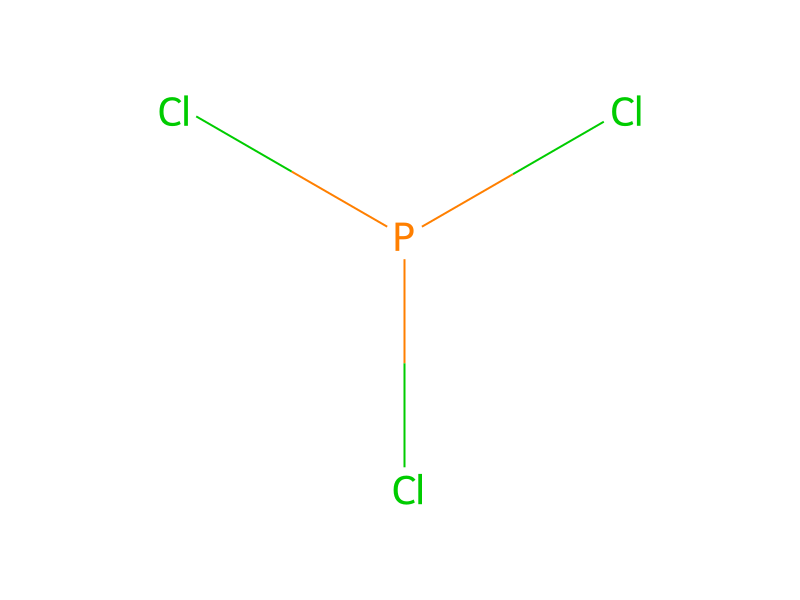
[NH2:1][C:2]1[CH:10]=[C:9]([Cl:11])[CH:8]=[CH:7][C:3]=1[C:4]([OH:6])=O.[C:12](Cl)(=O)[CH2:13][CH3:14].[CH2:17]([O:19][C:20]1[CH:26]=[CH:25][CH:24]=[CH:23][C:21]=1[NH2:22])[CH3:18]>C(N(CC)CC)C.O1CCCC1.P(Cl)(Cl)Cl.C1(C)C=CC=CC=1>[CH2:13]([C:14]1[N:22]([C:21]2[CH:23]=[CH:24][CH:25]=[CH:26][C:20]=2[O:19][CH2:17][CH3:18])[C:4](=[O:6])[C:3]2[C:2](=[CH:10][C:9]([Cl:11])=[CH:8][CH:7]=2)[N:1]=1)[CH3:12]Participants
8






Procedure
Briefly, 2-amino-4-chlorobenzoic acid was acylated with propionyl chloride in triethylamine (TEA) and tetrahydrofuran (THF). The acylated compound was refluxed with 2-ethoxyaniline in phosphorus trichloride and toluene to produce 2-ethyl-7-chloro-3-(2-ethoxyphenyl)quinazolin-4(3H)-one. The 2-ethyl-7-chloro-3-(2-ethoxyphenyl)quinazolin-4(3H)-one was brominated with N-bromosuccinimide (NBS) in carbon tetrachloride, the product of which was subsequently reacted with piperazine in THF. The piperazinyl moiety was acylated with 4-chlorophenoxyacetyl chloride in THF and TEA to yield the final product.
Sources & evidence
- ORD record
- ord-dbd1e885f4204bb1b3c7103ab07b5adf
- Source dataset
- uspto-grants-2013_11
- Patent number
- US08575143B2
Reaction notes
Loading…