o-Phenetidine → HCID 58228565, compound
Reaction equation

[NH2:1][C:2]1[CH:10]=[C:9]([N+:11]([O-:13])=[O:12])[CH:8]=[CH:7][C:3]=1[C:4]([OH:6])=O.[C:14](Cl)(=O)[CH2:15][CH3:16].[CH2:19]([O:21][C:22]1[CH:28]=[CH:27][CH:26]=[CH:25][C:23]=1[NH2:24])[CH3:20]>C(N(CC)CC)C.O1CCCC1.P(Cl)(Cl)(Cl)=O.C1(C)C=CC=CC=1>[CH2:15]([C:16]1[N:24]([C:23]2[CH:25]=[CH:26][CH:27]=[CH:28][C:22]=2[O:21][CH2:19][CH3:20])[C:4](=[O:6])[C:3]2[C:2](=[CH:10][C:9]([N+:11]([O-:13])=[O:12])=[CH:8][CH:7]=2)[N:1]=1)[CH3:14]Participants
8







Procedure
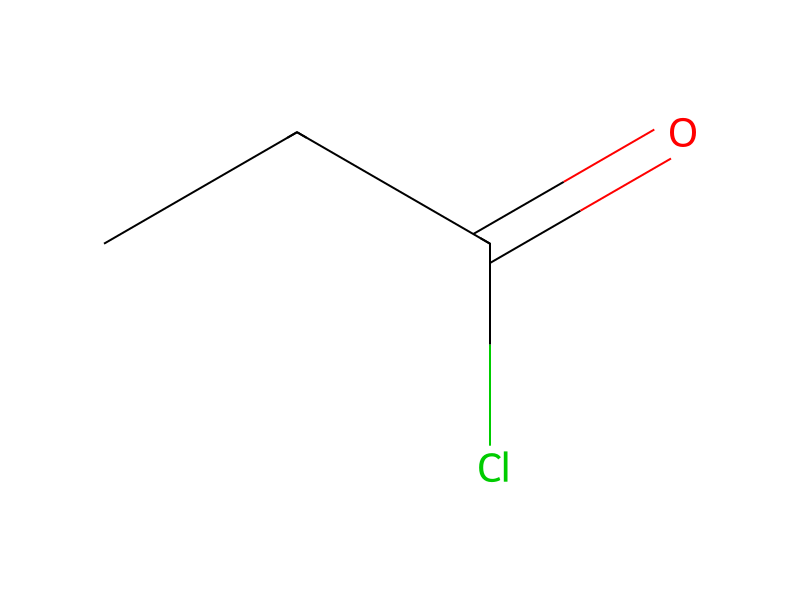
Briefly, 2-amino-4-nitrobenzoic acid was acylated with propionyl chloride in triethylamine (TEA) and tetrahydrofuran (THF). The acylated compound was refluxed with 2-ethoxyaniline in phosphorus oxychloride (POCl3) and toluene to produce 2-ethyl-7-nitro-3-(2-ethoxyphenyl)quinazolin-4(3H)-one. The 2-ethyl-7-nitro-3-(2-ethoxyphenyl)quinazolin-4(3H)-one was brominated with N-bromosuccinimide (NBS) in carbon tetrachloride, the product of which was subsequently reacted with N-methylhomopiperazine in THF. The product of this reaction was subjected to hydrogenation conditions using catalytic amounts of Pd/carbon (10% Pd) to afford Compound 10.
Sources & evidence
- ORD record
- ord-f7f1aa555851455fa82793906db032f1
- Source dataset
- uspto-grants-2013_11
- Patent number
- US08575143B2
Reaction notes
Loading…