Phthalimide → HCID 69673799, compound
Reaction equation

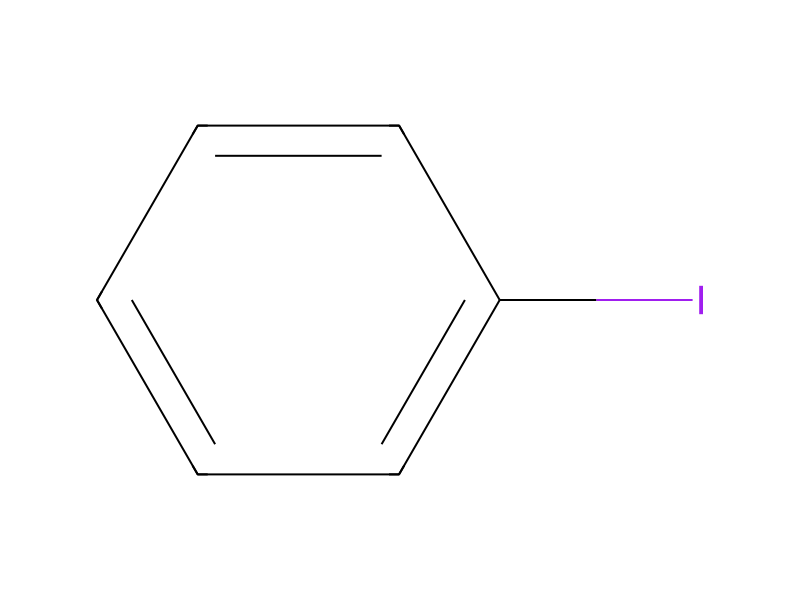
O1[CH2:5][CH2:4][CH2:3][CH2:2]1.I[C:7]1[CH:12]=[CH:11][CH:10]=[CH:9][CH:8]=1.[C:13]1(=[O:23])[NH:17][C:16](=[O:18])[C:15]2=[CH:19][CH:20]=[CH:21][CH:22]=[C:14]12.[CH2:24](N(CC)CC)C>Cl[Pd](Cl)([P](C1C=CC=CC=1)(C1C=CC=CC=1)C1C=CC=CC=1)[P](C1C=CC=CC=1)(C1C=CC=CC=1)C1C=CC=CC=1.[Cu](I)I>[CH3:2][CH:3]([N:17]1[C:13](=[O:23])[C:14]2[C:15](=[CH:19][CH:20]=[CH:21][CH:22]=2)[C:16]1=[O:18])[CH2:4][C:5]#[C:24][C:7]1[CH:12]=[CH:11][CH:10]=[CH:9][CH:8]=1Participants
7
Reactant 4



Product 1

Reagents, catalysts & solvents 2


Procedure
Under a nitrogen atmosphere, 24 ml of tetrahydrofuran, 2.11 g of iodobenzene, and 6.2 ml of triethylamine were added to 367 mg of dichlorobis(triphenylphosphine)palladium, 100 mg of copper iodide, and 2.20 g of the phthalimide compound obtained in the above described stage. The obtained mixture was stirred under reflux for 8 hours. After completion of the stirring, the reaction solution was cooled to a room temperature, and a solid was then filtrated. The filtrate was concentrated, and the residue was then purified by column chromatography (Wako Gel C-200; toluene:ethyl acetate=9:1), so as to obtain 1.82 g of a phthalimide compound.
Workup
- customobtained in the
- temperatureunder reflux for 8 hours
- filtrationa solid was then filtrated
- concentrationThe filtrate was concentrated
- customthe residue was then purified by column chromatography (Wako Gel C-200; toluene:ethyl acetate=9:1)
Sources & evidence
- ORD record
- ord-c42bafc7300e499f9ddf40ee1dae314d
- Source dataset
- uspto-grants-2013_11
- Patent number
- US08586505B2
Reaction notes
Loading…