Potassium Acetate → 1-Chloroisoquinolin-7-ol
Reaction equation

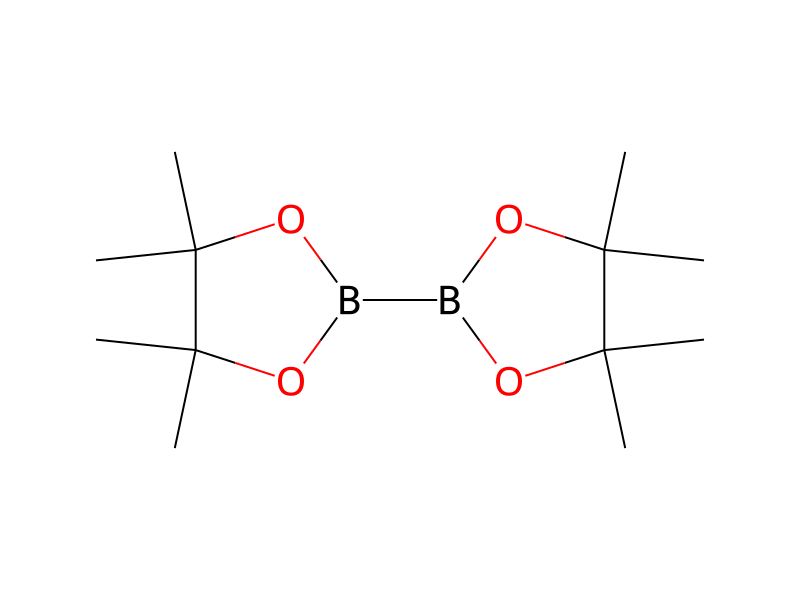
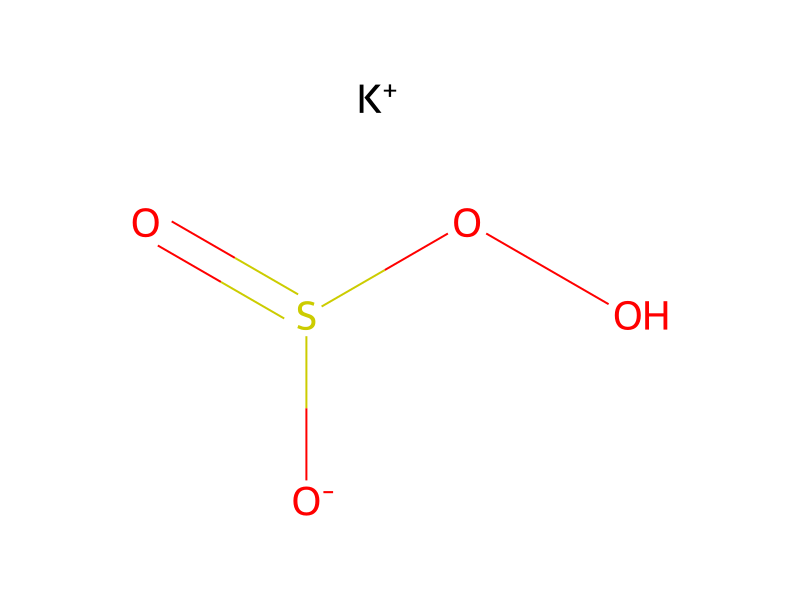
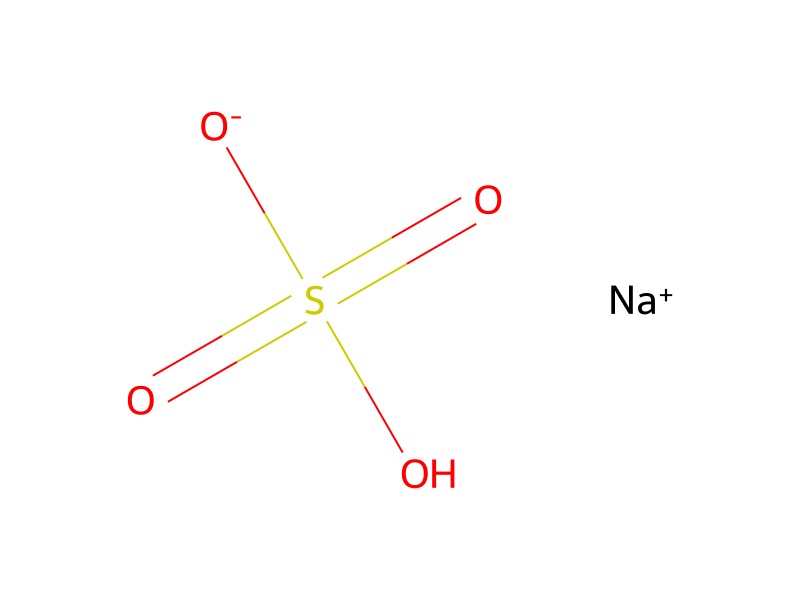
Br[C:2]1[CH:11]=[C:10]2[C:5]([CH:6]=[CH:7][N:8]=[C:9]2[Cl:12])=[CH:4][CH:3]=1.B1(B2OC(C)(C)C(C)(C)O2)OC(C)(C)C(C)(C)[O:14]1.C([O-])(=O)C.[K+].OOS([O-])=O.[K+]>O1CCOCC1.CCOC(C)=O.O.S(=O)(=O)(O)[O-].[Na+]>[Cl:12][C:9]1[C:10]2[C:5](=[CH:4][CH:3]=[C:2]([OH:14])[CH:11]=2)[CH:6]=[CH:7][N:8]=1Participants
Reactant 4


Product 1

Reagents, catalysts & solvents 4



Conditions
- Temperature
- 100 °C
Procedure
7-Bromo-1-chloroisoquinoline (2.0 g, 8.25 mmol), bis(pinacolato)diboron (2.20 g, 8.66 mmol), potassium acetate (2.43 g, 24.7 mmol) and PdCl2(dppf)DCM adduct (0.337 g, 0.412 mmol) were combined under nitrogen in dioxane (40 mL) and heated in an oil bath at 100° C. for 24 h. The reaction mixture was cooled, diluted with EtOAc (100 mL) and washed with 10% aqueous KHSO4. The organic phase was dried over Na2SO4, filtered and concentrated to an oil. The oil was dissolved in acetone (100 mL) and a solution of OXONE (5.07 g, 8.25 mmol) in water (20 mL) added over 2 min. The reaction mixture was stirred for 10 min, diluted with aqueous sodium bisulfate solution and stirred for an additional 20 min. and then concentrated to remove acetone. The resulting mixture was filtered to give the title compound (1.4 g) which was used without further purification. LRMS (M+H)+=180.1.
Workup
- temperatureThe reaction mixture was cooled
- washwashed with 10% aqueous KHSO4
- dry with materialThe organic phase was dried over Na2SO4
- filtrationfiltered
- concentrationconcentrated to an oil
- dissolutionThe oil was dissolved in acetone (100 mL)
- stirringstirred for an additional 20 min.
- concentrationconcentrated
- customto remove acetone
- filtrationThe resulting mixture was filtered
Sources & evidence
- ORD record
- ord-dcb0f4f451be40969f610fb1e7728413
- Source dataset
- uspto-grants-2012_10
- Patent number
- US08278322B2
Reaction notes
Loading…