Hydrogen Peroxide → Dicyclopentadiene
Reaction equation

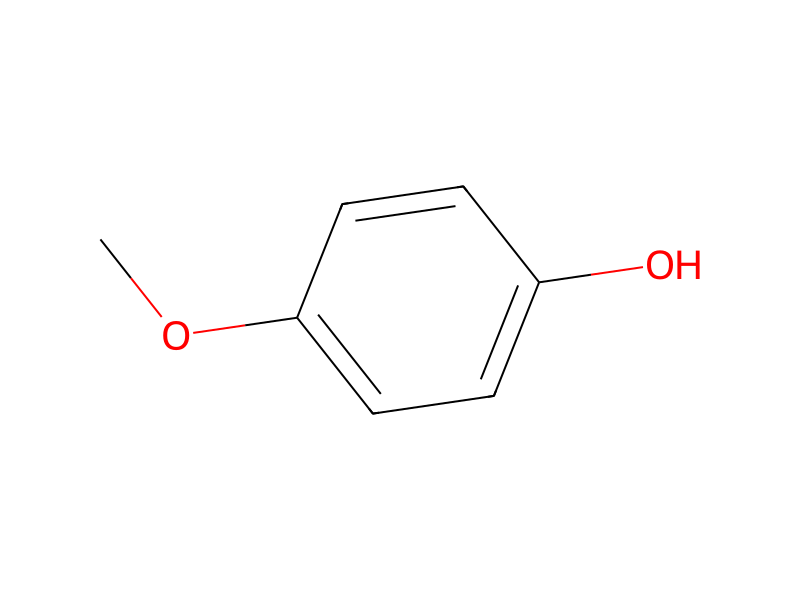
OO.[C:3]1([CH3:13])[CH:8]=[CH:7][C:6](S(O)(=O)=O)=[CH:5][CH:4]=1.[C:14](OC)(=O)[C:15](C)=C.[CH3:21]OC1C=CC(O)=CC=1>>[CH2:14]1[CH:4]2[CH:5]3[CH:6]=[CH:7][CH:8]([CH:3]2[CH:13]=[CH:15]1)[CH2:21]3Participants




Conditions
- Temperature
- 60 °C
Procedure
Into the same apparatus as in Example 9 were charged 194 g (1 mole) of ethylene glycol monodicyclopentenyl ether ##STR16## peroxide content: 35 ppm in terms of H2O2), and 5 g of p-toluenesulfonic acid. The temperature was raised to 60° C. with stirring and kept there for 10 minutes. Then, 350 g of methyl methacrylate and 0.13 g of 4-methoxyphenol were charged into the apparatus, and thereafter the reaction was carried out in the same manner as in Example 1. One hour after the beginning of raction, the reaction solution was colored dark-brown so seriously that when it was placed in a 18 mm diameter test tube, a substance on one side of the test tube could not be seen through the test tube from the other side. At that time the conversion was 25%. In addition, oligomer by-products having a molecular weight of about 700 to 1000 (which were presumed to be oligomers formed by ionic polymerization of dicyclopentadiene) had been formed in an amount of about 2%.
Workup
- customOne hour
- customwas placed in a 18 mm diameter test tube
Sources & evidence
- ORD record
- ord-4415fcab8a9543778d25d8394d59feb5
- Source dataset
- uspto-grants-1990_04
- Patent number
- US04916255
Reaction notes
Loading…