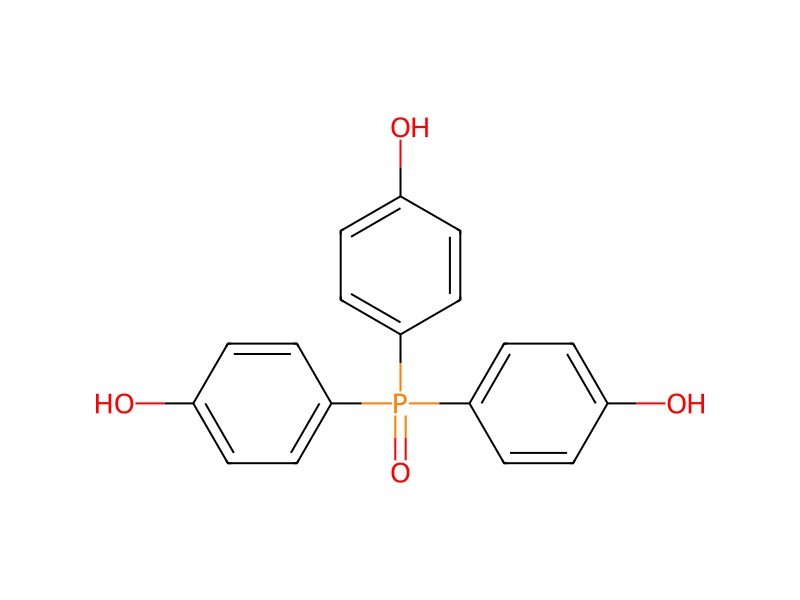
Methyl Bromide → Tris(4-hydroxyphenyl)phosphine oxide
Reaction equation

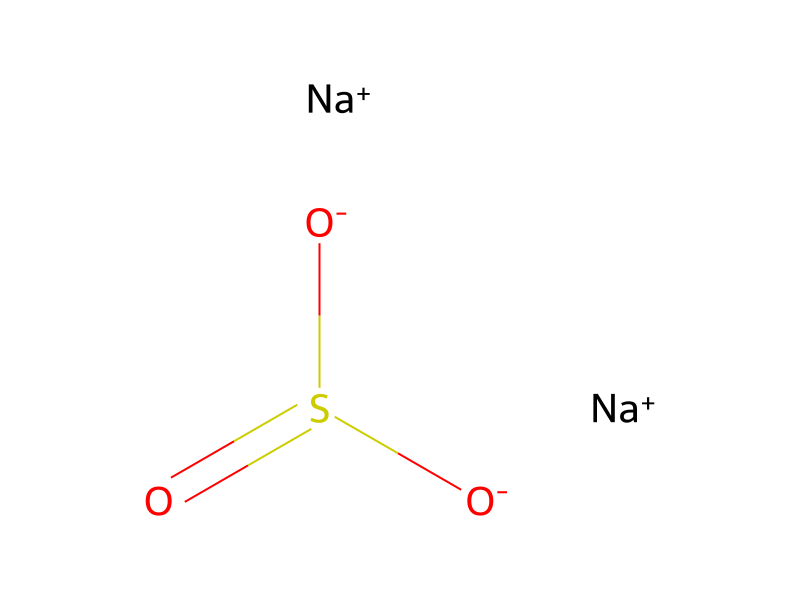
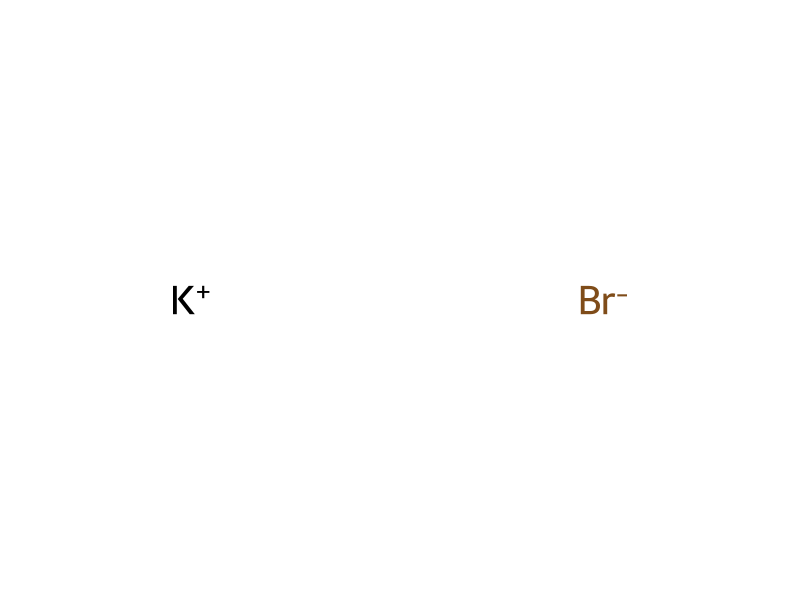
C[O:2][C:3]1[CH:8]=[CH:7][C:6]([P:9](=[O:26])([C:18]2[CH:23]=[CH:22][C:21]([O:24]C)=[CH:20][CH:19]=2)[C:10]2[CH:15]=[CH:14][C:13]([O:16]C)=[CH:12][CH:11]=2)=[CH:5][CH:4]=1.[K+].[Br-].S([O-])([O-])=O.[Na+].[Na+].CBr>Br>[OH:2][C:3]1[CH:4]=[CH:5][C:6]([P:9](=[O:26])([C:10]2[CH:15]=[CH:14][C:13]([OH:16])=[CH:12][CH:11]=2)[C:18]2[CH:19]=[CH:20][C:21]([OH:24])=[CH:22][CH:23]=2)=[CH:7][CH:8]=1Participants
6



Conditions
- Temperature
- 114 °C
Procedure
A reaction flask containing tris(4-methoxyphenyl)phosphine oxide (973.2 g) was charged with 48% aq HBr (2250 mL) and KBr (126.1 g). The flask was fitted with a sodium sulfite scrubber for containment of methyl bromide. The reaction mixture was heated to reflux (114° C.) and maintained at reflux until complete based on HPLC analysis. The product (Compound VIII) was worked up to give 558.5 g of tris(4-hydroxyphenyl)phosphine oxide (31P NMR (d6-DMSO): δ 27.6 (s); 1H NMR (d6-DMSO): δ 10.9 (s, 3H), 7.38 (m, 6H), 6.84 (m, 6H)).
Workup
- temperatureThe reaction mixture was heated
- temperaturemaintained
- temperatureat reflux
Sources & evidence
- ORD record
- ord-d245b0a848bd40988512d77326be2f2c
- Source dataset
- uspto-grants-2005_05
- Patent number
- US06887950B2
Reaction notes
Loading…