Hydrochloric Acid → Ethyl 4-(4-cyanophenyl)-6-methyl-2-oxo-1-[4-fluorophenyl]-1,2,3,4-tetrahydro-5-pyrimidinecarboxylate
Reaction equation

[F:1][C:2]1[CH:7]=[CH:6][C:5]([NH:8][C:9]([NH2:11])=[O:10])=[CH:4][CH:3]=1.[C:12]([C:14]1[CH:21]=[CH:20][C:17]([CH:18]=O)=[CH:16][CH:15]=1)#[N:13].O=[C:23]([CH3:30])[CH2:24][C:25]([O:27][CH2:28][CH3:29])=[O:26].Cl>C1COCC1>[C:12]([C:14]1[CH:21]=[CH:20][C:17]([CH:18]2[C:24]([C:25]([O:27][CH2:28][CH3:29])=[O:26])=[C:23]([CH3:30])[N:8]([C:5]3[CH:4]=[CH:3][C:2]([F:1])=[CH:7][CH:6]=3)[C:9](=[O:10])[NH:11]2)=[CH:16][CH:15]=1)#[N:13]Participants
6
Reactant 4



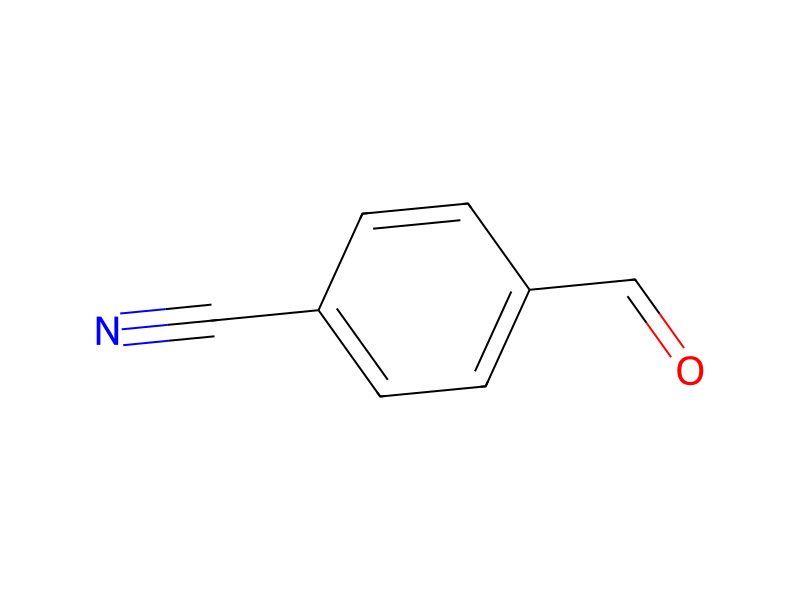
Product 1

Reagents, catalysts & solvents 1

Procedure
154 mg (1.0 mmol) N-[4-fluorophenyl]urea, 101 mg (0.77 mmol) 4-cyanobenzaldehyde, and 100 mg (0.77 mmol) ethyl 3-oxobutanoate are suspended in 2 ml of THF, and catalytic amounts of concentrated hydrochloric acid are added. The mixture is stirred at reflux for 18 hours. After cooling down to room temperature, the solvent is removed in vacuo and the residue is purified by column chromatography on silica with cyclohexane/ethyl acetate as eluent.
Workup
- temperatureat reflux for 18 hours
- customthe solvent is removed in vacuo
- customthe residue is purified by column chromatography on silica with cyclohexane/ethyl acetate as eluent
Sources & evidence
- ORD record
- ord-04fd94625b0f4a94997ccc73ef535788
- Source dataset
- uspto-grants-2010_03
- Patent number
- US07687510B2
Reaction notes
Loading…