Ethylene Glycol → HCID 11148597, compound
Reaction equation

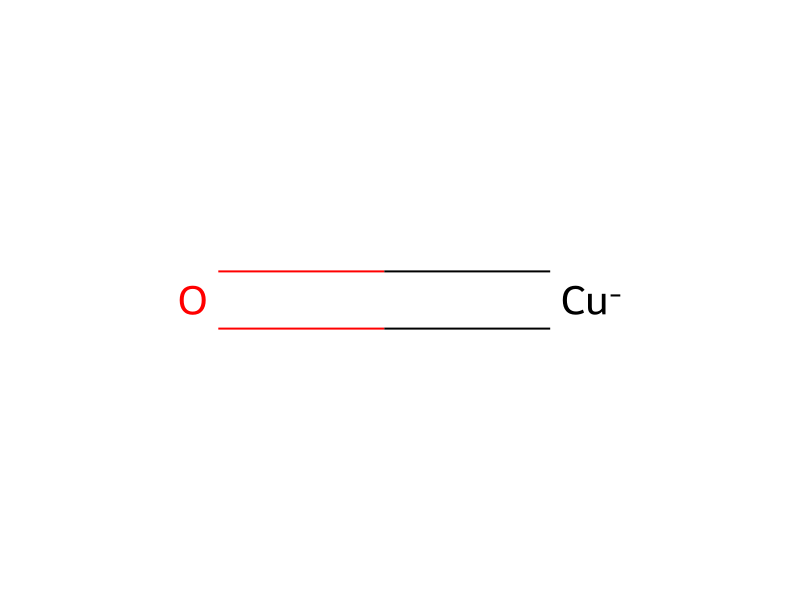
C(=O)([O-])[O-].[K+].[K+].C(O)CO.I[C:12]1[CH:13]=[C:14]([CH3:19])[CH:15]=[C:16]([CH3:18])[CH:17]=1.[C:20]1([SH:26])[CH:25]=[CH:24][CH:23]=[CH:22][CH:21]=1.CCCCCCCCCCCC>[Cu-]=O.C(OCC)(=O)C.CC(O)C>[CH3:18][C:16]1[CH:17]=[C:12]([S:26][C:20]2[CH:25]=[CH:24][CH:23]=[CH:22][CH:21]=2)[CH:13]=[C:14]([CH3:19])[CH:15]=1Participants
Reactant 5




Product 1

Reagents, catalysts & solvents 3


Conditions
- Temperature
- 80 °C
Procedure
Copper(I) oxide (7.2 mg, 0.05 mmol) and potassium carbonate (276 mg, 2.0 mmol) were added to a screw-capped test tube with a Teflon-lined septum. The tube was evacuated and backfilled with argon (3 cycles). 2-Propanol (1.0 mL, bench top grade solvent without degassing and pre-drying), ethylene glycol (111 μL, 2.0 mmol, bench top grade solvent) and 5-iodo-m-xylene (144 μL, 1.0 mmol) and thiophenol (103 μL, 1.0 mmol) were added by syringes at room temperature. The tube was heated to 80° C. and stirred for 20 hours. The reaction mixture was then allowed to reach room temperature. Ethyl acetate (approx. 5 mL) and dodecane (227 μL, GC standard) were added. The aliquot was analyzed by GC to give 93% conversion of ArI and 93% GC yield of phenyl 3,5-dimethylphenyl sulfide.
Workup
- customThe tube was evacuated
- customto reach room temperature
Sources & evidence
- ORD record
- ord-5e58e13c45674ad8974d8a2d5e274393
- Source dataset
- uspto-grants-2008_01
- Patent number
- US07323608B2
Reaction notes
Loading…