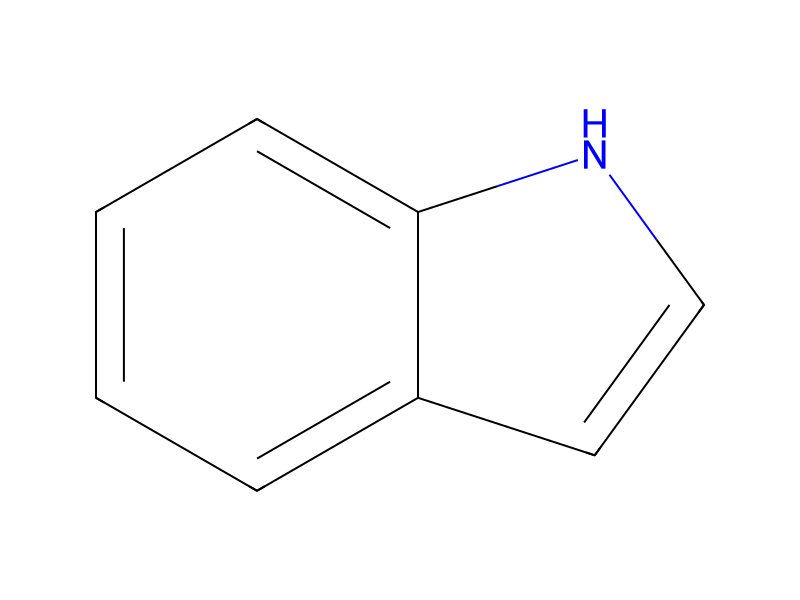
Indole → HCID 15677792, compound
Reaction equation

OCCC1N[C:6]2[C:11](C=1)=[CH:10][C:9](CC(OC)=O)=[CH:8][CH:7]=2.[O:18]([C:25]1[CH:30]=[CH:29][C:28]([OH:31])=[C:27](CCC)[CH:26]=1)[C:19]1C=CC=[CH:21][CH:20]=1.C1(P(C2C=CC=CC=2)C2C=CC=CC=2)C=CC=CC=1.CC(OC(/N=N/C(OC(C)C)=O)=O)C.N1C2C(=CC=CC=2)C=C1>C1COCC1>[CH2:19]([O:18][C:25]1[CH:30]=[CH:29][C:28]([O:31][C:6]2[CH:7]=[CH:8][CH:9]=[CH:10][CH:11]=2)=[CH:27][CH:26]=1)[CH:20]=[CH2:21]Participants
7




Procedure
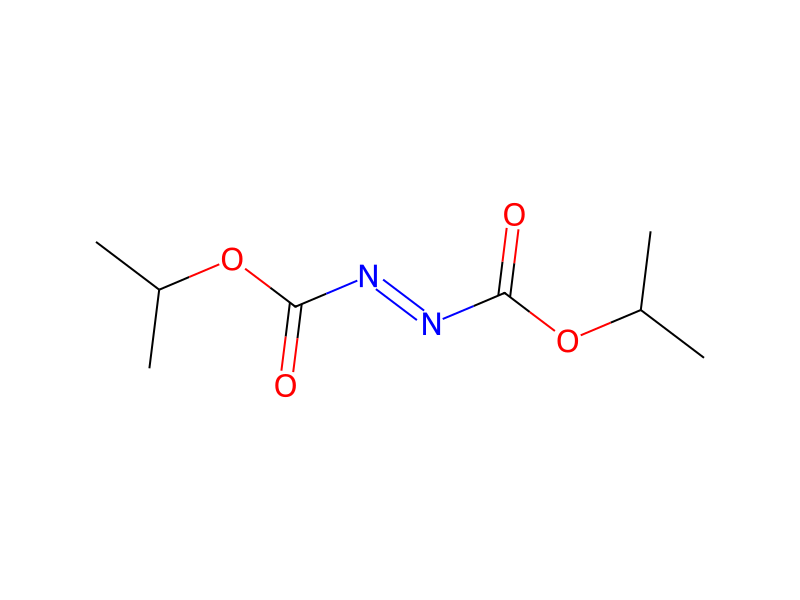
A solution of methyl 2-(2-hydroxyethyl)indole-5-acetate, from Example 1, Step E (7.6 g), 4-phenoxy-2-propylphenol (8.28 g), triphenylphosphine (11.2 g), DIAD (8.5 mL) and THF (125 mL) was stirred under nitrogen at room temperature. After stirring overnight none of the starting indole remained as determined by TLC and the reaction was concentrated to a yellow oil. The oil was purified by silca gel chromatography (10%-20% ethyl acetate in hexanes) to give the desired product (9.0 g).
Workup
- concentrationthe reaction was concentrated to a yellow oil
- customThe oil was purified by silca gel chromatography (10%-20% ethyl acetate in hexanes)
Sources & evidence
- ORD record
- ord-7aa22a98ac8c4f91b4888ba208047683
- Source dataset
- uspto-grants-2000_07
- Patent number
- US06090839
Reaction notes
Loading…