Hydrochloric Acid → 2-Sulfamoyl-1,3-benzothiazol-5-yl 3-phenylprop-2-enoate
Reaction equation

[OH:1][C:2]1[CH:3]=[CH:4][C:5]2[S:9][C:8]([S:10]([NH2:13])(=[O:12])=[O:11])=[N:7][C:6]=2[CH:14]=1.C(N(CC)CC)C.[C:22](Cl)(=[O:31])[CH:23]=[CH:24][C:25]1[CH:30]=[CH:29][CH:28]=[CH:27][CH:26]=1.Cl>CN(C)C1C=CN=CC=1.CN(C)C=O>[C:25]1([CH:24]=[CH:23][C:22]([O:1][C:2]2[CH:3]=[CH:4][C:5]3[S:9][C:8]([S:10](=[O:12])(=[O:11])[NH2:13])=[N:7][C:6]=3[CH:14]=2)=[O:31])[CH:30]=[CH:29][CH:28]=[CH:27][CH:26]=1Participants
7
Reactant 4


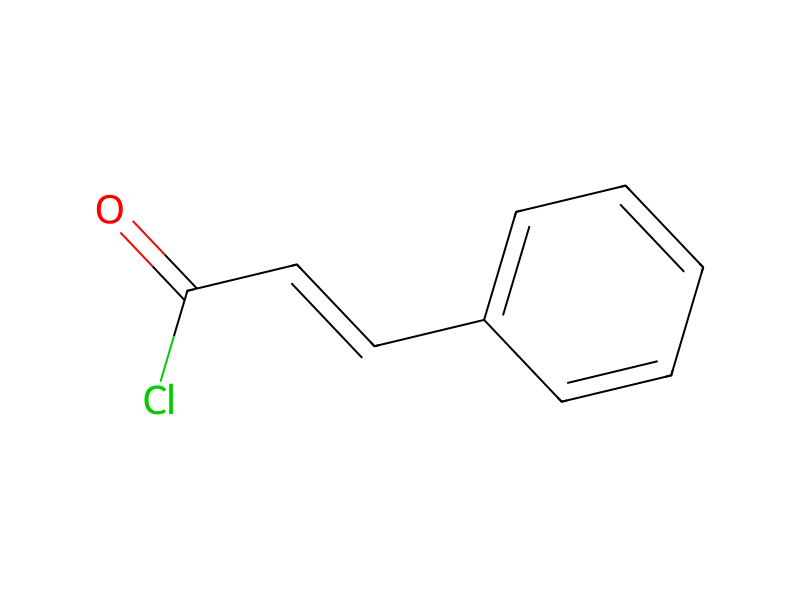

Product 1

Reagents, catalysts & solvents 2


Conditions
- Temperature
- 25 °C
Procedure
To a stirred solution of 5-hydroxy-2-benzothiazolesulfonamide (2.3 g., 0.01 mole), 4-dimethylaminopyridine (100 mg., catalyst) and triethylamine (1.4 ml., 0.01 mole) in dimethylformamide (20 ml.) is added cinnamoyl chloride (1.7 g., 0.01 mole). The reaction mixture is stirred at 25° C. for 2 hours and then poured into ice water and excess hydrochloric acid to give 2-sulfamoyl-5-benzothiazolyl 3-phenyl-2-propenoate.
Sources & evidence
- ORD record
- ord-ca4c9ce925704c389cd2442ecfcd5feb
- Source dataset
- uspto-grants-1984_01
- Patent number
- US04426388
Reaction notes
Loading…