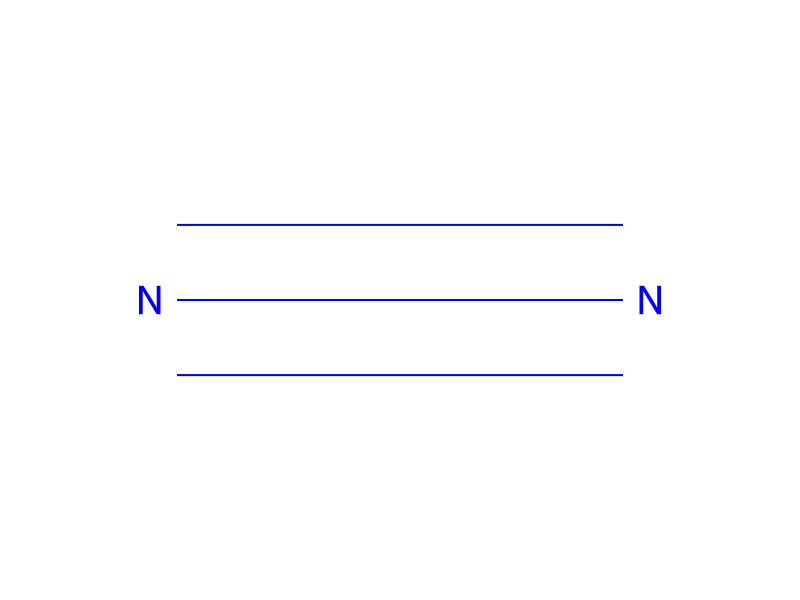
Nitrogen → HCID 44461430, compound
Reaction equation

N#N.[Cl:3][C:4]1[CH:5]=[N:6][CH:7]=[C:8]([Cl:23])[C:9]=1[CH2:10][C:11]1[C:20]2[C:15](=[CH:16][C:17]([O:21][CH3:22])=[CH:18][CH:19]=2)[CH2:14][NH:13][N:12]=1.[C:24]([N:31]1C=CN=C1)(N1C=CN=C1)=[O:25].Cl.N[OH:38]>C1COCC1.C(O)C.CCCCCC.C(OCC)(=O)C.C(Cl)Cl.CO>[OH:38][NH:31][C:24]([N:13]1[N:12]=[C:11]([CH2:10][C:9]2[C:8]([Cl:23])=[CH:7][N:6]=[CH:5][C:4]=2[Cl:3])[C:20]2[C:15](=[CH:16][C:17]([O:21][CH3:22])=[CH:18][CH:19]=2)[CH2:14]1)=[O:25]Participants
Reactant 4


Product 1

Reagents, catalysts & solvents 4




Procedure
At room temperature, under stirring and N2, a solution of 4-(3,5-dichloro-pyridin-4-ylmethyl)-7-methoxy-1H-phthalazine (1 g, 3.1 mmoles), prepared as described in example 22, in THF (35 ml), was added with 1,1′-carbonyldiimidazole (0.55 g, 3.41 mmoles) and refluxed, then concentrated and taken up in ethanol. Hydroxylamine hydrochloride (0.26 g, 3.72 mmoles) in ethanol was added. After 10 hours under reflux, the mixture was cooled, concentrated and partitioned between water and CH2Cl2. The organic phase was washed with water, anhydrified and brought to dryness to give a residue which was flash chromatographed (eluent: CH2Cl2/CH3OH 98:2, then hexane/ethyl acetate 3:7) to give 0.3 g of the title compound (yield: 25%). m.p.: 155-158° C.
Workup
- temperaturerefluxed
- concentrationconcentrated
- temperatureAfter 10 hours under reflux
- temperaturethe mixture was cooled
- concentrationconcentrated
- custompartitioned between water and CH2Cl2
- washThe organic phase was washed with water
- customto give a residue which
- customchromatographed (eluent
Sources & evidence
- ORD record
- ord-6f65f5120c3c4544b469010888e0f8b3
- Source dataset
- uspto-grants-2002_12
- Patent number
- US06492360B1
Reaction notes
Loading…