Sodium hydride → Ethyl Acetoacetate
Reaction equation

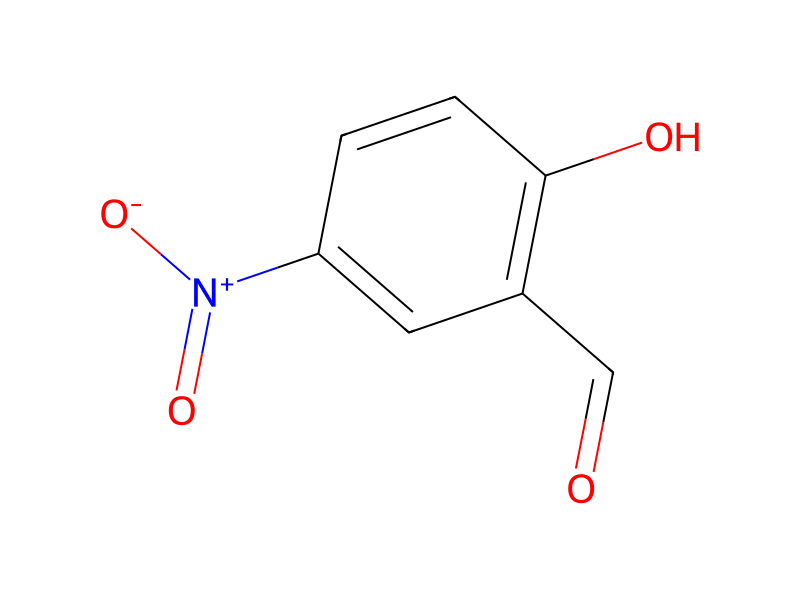
[N+:1](C1C=C(C=O)C(O)=CC=1)([O-])=[O:2].[H-].[Na+].Br[CH2:16][CH2:17][CH2:18][C:19]([O:21][CH2:22][CH3:23])=[O:20].C([O:26][C:27]([CH2:29]CCOC1C=CC([N+]([O-])=O)=CC=1C=O)=[O:28])C>N1C=CC=CC=1.CN(C)C=O>[C:19]([O:21][CH2:22][CH3:23])(=[O:20])[CH2:18][C:17]([CH3:16])=[O:2].[C:27]([O-:28])(=[O:26])[CH3:29].[NH4+:1]Participants
8






Procedure
The last two compounds in the second table above were intermediates for the fourth compound in the first table above, and were prepared by initial reaction of 5-nitrosalicylaldehyde (16.7 g.), sodium hydride (2.64 g. of a 50% dispersion in oil), ethyl 4-bromobutyrate (15.74 g.) and dimethylformamide (200 ml.) at 100° C. for 4 hours, and then reaction of the 2-(3-ethoxycarbonylpropoxy)-5-nitrobenzaldehyde (m.p. 61°-62° C.) thus obtained (1.5 g.), ethyl acetoacetate (1.0 ml.), ammonium acetate (0.36 g.) and pyridine (25 ml.) at 100° C. for 5 hours.
Workup
- customwere prepared by initial
Sources & evidence
- ORD record
- ord-e396d4ecc3214c17a7164ddf7aeebde1
- Source dataset
- uspto-grants-1989_10
- Patent number
- US04873254
Reaction notes
Loading…