Trifluoroacetic acid → HCID 59389292, compound
Reaction equation

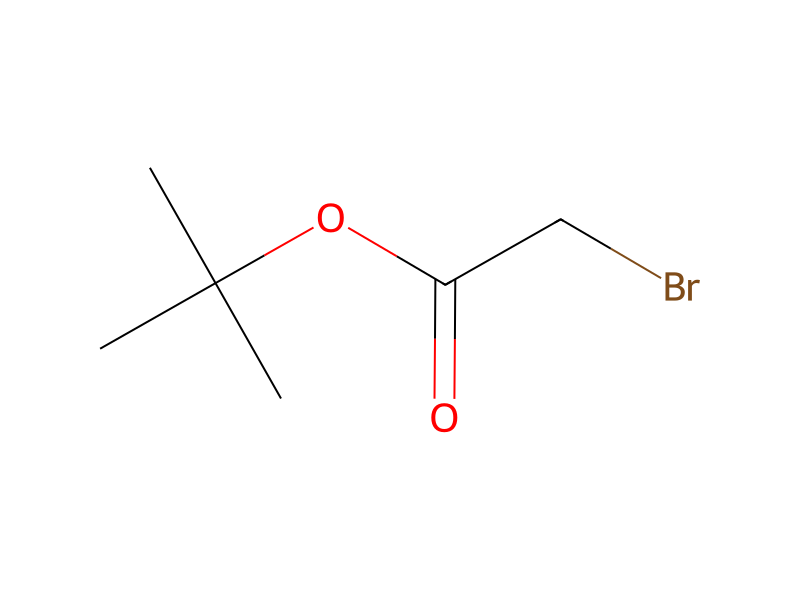
[CH2:1]([C:3]1[CH:17]=[C:6]2[C:7]([C:13](=O)[CH2:14][CH3:15])=[CH:8][CH:9]=[C:10]([CH2:11][CH3:12])[N:5]2[N:4]=1)[CH3:2].C[Si]([N-][Si](C)(C)C)(C)C.[Li+].BrCC(OC(C)(C)C)=O.[Cl-].[NH4+:38].F[C:40](F)(F)[C:41]([OH:43])=O.O.[NH2:47]N>O1CCCC1.ClCCl.C(O)C>[CH2:1]([C:3]1[CH:17]=[C:6]2[C:7]([C:13]3[CH:14]([CH3:15])[CH2:40][C:41](=[O:43])[NH:38][N:47]=3)=[CH:8][CH:9]=[C:10]([CH2:11][CH3:12])[N:5]2[N:4]=1)[CH3:2]Participants
Reactant 6





Product 1

Reagents, catalysts & solvents 3



Procedure
The compound of Example 350 (1.00 g) was dissolved in tetrahydrofuran (43 mL) in an argon atmosphere. While this solution was chilled in an ice bath, lithium bis(trimethylsilyl) amide (4.77 mL, 1.0 mol/L tetrahydrofuran solution) was added and the mixture was stirred for 15 min while ice-chilled. While the mixture was kept ice-chilled, t-butyl bromoacetate (0.954 mL) was added and the mixture was stirred at room temperature for 1 hour. With the mixture being ice-chilled, a saturated aqueous ammonium chloride solution was added and the mixture was extracted with ethyl acetate. The extract was washed with saturated brine and dried over anhydrous sodium sulfate. Evaporation of the solvent gave a yellow oil. This product was dissolved in dichloromethane (10 mL). While the solution was kept ice-chilled, trifluoroacetic acid (5 mL) was added and the mixture was stirred at room temperature for 19 hours. Subsequently, dichloromethane was evaporated and the residue was diluted with water, followed by addition of a 10% sodium hydroxide solution to make the mixture basic. The mixture was then washed with diethyl ether. Diluted hydrochloric acid was added to the aqueous layer to make it acidic and the mixture was extracted with ethyl acetate. The organic layer was dried over anhydrous sodium sulfate and the solvent was evaporated to give a yellow oil. This product was dissolved in ethanol (29 mL). To the solution, hydrazine monohydrate (0.40 mL) was added and the mixture was stirred for 4 hours under reflux. Evaporation of the solvent and subsequent purification of the residue by silica gel chromatography (hexane:ethyl acetate=2:3) afforded the title compound as a colorless amorphous material (1.00 g).
Workup
- temperatureWhile this solution was chilled in an ice bath
- temperaturechilled
- temperaturechilled
- stirringthe mixture was stirred at room temperature for 1 hour
- temperaturechilled
- extractionthe mixture was extracted with ethyl acetate
- washThe extract was washed with saturated brine
- dry with materialdried over anhydrous sodium sulfate
- customEvaporation of the solvent
- customgave a yellow oil
- temperaturechilled
- stirringthe mixture was stirred at room temperature for 19 hours
- customSubsequently, dichloromethane was evaporated
- additionthe residue was diluted with water
- additionfollowed by addition of a 10% sodium hydroxide solution
- washThe mixture was then washed with diethyl ether
- additionDiluted hydrochloric acid was added to the aqueous layer
- extractionthe mixture was extracted with ethyl acetate
- dry with materialThe organic layer was dried over anhydrous sodium sulfate
- customthe solvent was evaporated
- customto give a yellow oil
- stirringthe mixture was stirred for 4 hours
- temperatureunder reflux
- customEvaporation of the solvent and subsequent purification of the residue by silica gel chromatography (hexane:ethyl acetate=2:3)
Sources & evidence
- ORD record
- ord-4a09aad8b497432bbf55c2ad69e3ab95
- Source dataset
- uspto-grants-2010_07
- Patent number
- US07763617B2
Reaction notes
Loading…