Hydrochloric Acid → HCID 178436353, compound
Reaction equation

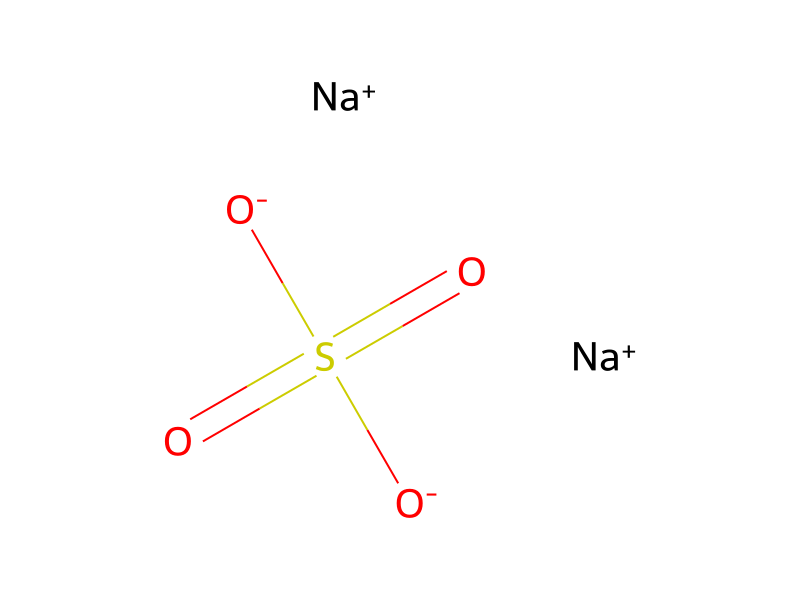
[NH2:1][C:2]1[CH:7]=[CH:6][C:5]([CH:8]2[C:12]3[CH:13]=[CH:14][CH:15]=[CH:16][C:11]=3[C:10](=[O:17])O2)=[CH:4][C:3]=1[N+:18]([O-])=O.Cl.[C:22]([C:24]1[C:25]([F:31])=[C:26]([CH:28]=[CH:29][CH:30]=1)[NH2:27])#[CH:23].O.O.[Sn](Cl)[Cl:35].S([O-])([O-])(=O)=O.[Na+].[Na+].COC(N[C:49](=[N:52][C:53]([O:55]C)=[O:54])SC)=O.Cl.[CH3:58]N1C(=O)CCC1>[Cl-].[Na+].O.O1CCOCC1.C(OCC)(=O)C.O>[ClH:35].[CH3:49][N:52]([C:58]1[NH:1][C:2]2[CH:7]=[CH:6][C:5]([CH:8]3[C:12]4[C:11](=[CH:16][CH:15]=[CH:14][CH:13]=4)[C:10](=[O:17])[N:27]3[C:26]3[CH:28]=[CH:29][CH:30]=[C:24]([C:22]#[CH:23])[C:25]=3[F:31])=[CH:4][C:3]=2[N:18]=1)[C:53](=[O:54])[OH:55]Participants
Reactant 7




Product 1

Reagents, catalysts & solvents 4




Conditions
- Temperature
- 150 °C
Procedure
To a solution of 3-(4-amino-3-nitrophenyl)-2-benzofuran-1(3H)-one (1.0 g, 3.7 mmol) in NMP (6 mL) was added 3-ethynyl-2-fluoroaniline hydrochloride (1.9 g, 11.1 mmol). The mixture was heated to 150° C. for 2.25 h, and then the temperature was raised to 170° C. for a further 45 min. After cooling to rt, water and brine were added, and the resulting aqueous mixture was extracted twice with ethyl acetate. The organic extracts were dried over magnesium sulfate, filtered, and pre-absorbed on silica gel. The residue was run through a column, eluting with 60% hexanes and 40% ethyl acetate. The product-containing fractions were combined and concentrated. The resulting brown sticky film was not pure. This material was dissolved in acetic acid, and to this solution was added tin(II) chloride dihydrate (4.2 g, 18.5 mmol). The mixture was then heated to 80° C. for 1.5 h. After cooling to rt, the acetic acid was removed in vacuo. The residue was transferred to a 500-mL erlenmeyer flask in a minimal amount of ethyl acetate. The resulting suspension was then diluted with approximately 200 mL of ether, and then the flask was placed into an ice bath. To the vigorously stirring mixture was added 50% aqueous sodium hydroxide (20 mL), and a pale yellow solid formed. Celite and sodium sulfate were added to adsorb the precipitate and dry the mixture. The solids were removed by filtration and rinsed twice with hot ethyl acetate. The organic filtrates were combined and concentrated. The crude residue was dissolved in acetic acid (10 mL) and treated with 1,3-bis(methoxycarbonyl)-2-methyl-2-thiopseudourea (565 mg, 2.7 mmol) at 80° C. for 25 min. After cooling to rt, the acetic acid was removed in vacuo. The residue was purified by HPLC. The product containing fractions were combined, and sufficient saturated sodium bicarbonate was added to make the pH >7. The organic solvents were removed in vacuo, and the resulting aqueous mixture was extracted with ethyl acetate. The organic extracts were dried over magnesium sulfate, filtered, and concentrated. The residue was taken up in a minimal amount of ethyl acetate and 1 equiv of hydrochloric acid was added (4 N in dioxane). A white precipitate formed, and it was collected by filtration. The material was dried in vacuo yielding methyl{5-[2-(3-ethynyl-2-fluorophenyl)-3-oxo-2,3-dihydro-1H-isoindol-1-yl]-1H-benzimidazol-2-yl}carbamate hydrochloride (202 mg, 0.46 mmol) as a white solid. 1H NMR (400 MHz, DMSO-d6): 7.90 (d, 1H), 7.66-7.57 (m, 3H), 7.67-7.54 (m, 3H), 7.41 (m, 1H), 7.31-7.26 (m, 3H), 7.21 (t, 1H), 6.88 (d, 1H), 6.50 (s, 1H), 4.56 (s, 1H), 3.73 (s, 3H); MS (EI) for C25H17FN4O3: 441 (MH+).
Workup
- temperaturethe temperature was raised to 170° C. for a further 45 min
- temperatureAfter cooling to rt
- extractionthe resulting aqueous mixture was extracted twice with ethyl acetate
- dry with materialThe organic extracts were dried over magnesium sulfate
- filtrationfiltered
- custompre-absorbed on silica gel
- washeluting with 60% hexanes and 40% ethyl acetate
- concentrationconcentrated
- dissolutionThis material was dissolved in acetic acid
- temperatureThe mixture was then heated to 80° C. for 1.5 h
- temperatureAfter cooling to rt
- customthe acetic acid was removed in vacuo
- customThe residue was transferred to a 500-mL erlenmeyer flask in a minimal amount of ethyl acetate
- additionThe resulting suspension was then diluted with approximately 200 mL of ether
- customthe flask was placed into an ice bath
- additionwas added 50% aqueous sodium hydroxide (20 mL)
- customa pale yellow solid formed
- customdry the mixture
- customThe solids were removed by filtration
- washrinsed twice with hot ethyl acetate
- concentrationconcentrated
- dissolutionThe crude residue was dissolved in acetic acid (10 mL)
- temperatureAfter cooling to rt
- customthe acetic acid was removed in vacuo
- customThe residue was purified by HPLC
- additionThe product containing fractions
- additionsufficient saturated sodium bicarbonate was added
- customThe organic solvents were removed in vacuo
- extractionthe resulting aqueous mixture was extracted with ethyl acetate
- dry with materialThe organic extracts were dried over magnesium sulfate
- filtrationfiltered
- concentrationconcentrated
- customA white precipitate formed
- filtrationit was collected by filtration
- customThe material was dried in vacuo
Sources & evidence
- ORD record
- ord-93f40d45128b4a0092cce09e2758affc
- Source dataset
- uspto-grants-2014_04
- Patent number
- US08697737B2
Reaction notes
Loading…