4-Chlorophenol → 1-(3-Bromopropoxy)-4-chlorobenzene
Reaction equation

[H-].[Na+].[Cl:3][C:4]1[CH:9]=[CH:8][C:7]([OH:10])=[CH:6][CH:5]=1.[Br:11][CH2:12][CH2:13][CH2:14]Br>CN(C)C=O>[Cl:3][C:4]1[CH:9]=[CH:8][C:7]([O:10][CH2:14][CH2:13][CH2:12][Br:11])=[CH:6][CH:5]=1Participants
Reactant 3
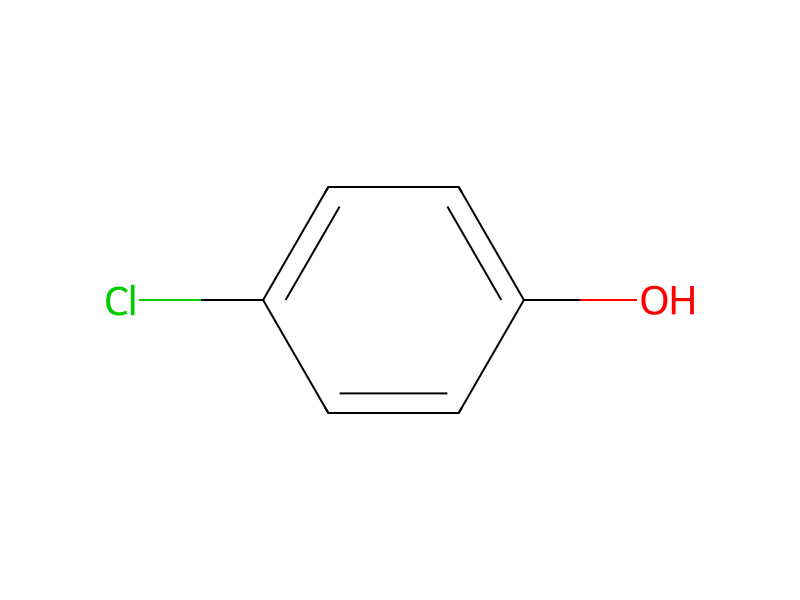


Product 1

Reagents, catalysts & solvents 1

Procedure
To a suspension of 1.53 g (63.8 mmol) of sodium hydride in 50 ml of dry dimethylformamide was added over thirty minutes a solution of 8.23 g (63.8 mmol) of 4-chlorophenol. After stirring for one hour at room temperature, 16 g (77 mmol) of 1,3-dibromopropane was added in one portion. The mixture was stirred for 68 hours, and the solvent removed under reduced pressure. The residue was dissolved in diethyl ether and washed with water. The aqueous layer was then extracted twice with ether. The combined organic extracts were washed three times with water, once with brine, then dried (MgSO4). After filtration, the solvent was removed under reduced pressure. The residue was chromatographed on silica gel, using 10% methylene chloride/hexane as the eluent and produced 710 mg of the title compound, which was homogeneous by thin layer chromatography (10% by volume of methylene chloride/hexane on silica gel plates).
Workup
- stirringThe mixture was stirred for 68 hours
- customthe solvent removed under reduced pressure
- dissolutionThe residue was dissolved in diethyl ether
- washwashed with water
- extractionThe aqueous layer was then extracted twice with ether
- washThe combined organic extracts were washed three times with water
- dry with materialonce with brine, then dried (MgSO4)
- filtrationAfter filtration
- customthe solvent was removed under reduced pressure
- customThe residue was chromatographed on silica gel
Sources & evidence
- ORD record
- ord-a0ddfd3c57ae49ec8ba941428b3c1ce6
- Source dataset
- uspto-grants-1992_03
- Patent number
- US05093353
Reaction notes
Loading…