Hydrochloric Acid → [(7-Hydroxy-3-pyridin-4-yl-isoxazolo[4,5-c]pyridine-6-carbonyl)-amino]-acetic acid
Reaction equation

[OH:1][C:2]1[C:3]2[O:15][N:14]=[C:13]([C:16]3[CH:21]=[CH:20][N:19]=[CH:18][CH:17]=3)[C:4]=2[CH:5]=[N:6][C:7]=1[C:8]([O:10]CC)=O.[NH2:22][CH2:23][C:24]([OH:26])=[O:25].[O-]CC.[Na+].Cl>CN(C=O)C.O.CCOC(C)=O>[OH:1][C:2]1[C:3]2[O:15][N:14]=[C:13]([C:16]3[CH:17]=[CH:18][N:19]=[CH:20][CH:21]=3)[C:4]=2[CH:5]=[N:6][C:7]=1[C:8]([NH:22][CH2:23][C:24]([OH:26])=[O:25])=[O:10]Participants
8
Reactant 4



Product 1

Reagents, catalysts & solvents 3



Procedure
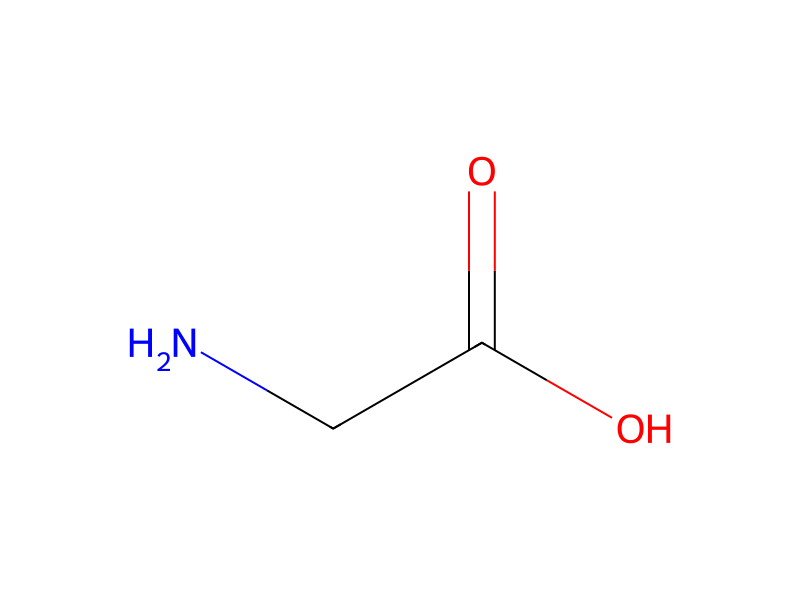
Ethyl 7-hydroxy-3-(pyridin-4-yl)isoxazolo[4,5-c]pyridine-6-carboxylate (95 mg, 0.33 mmol) was dissolved in 10 mL of DMF. Glycine (500 mg, 6.67 mmol) and sodium ethoxide (340 mg, 5.0 mmol) were added and the mixture was refluxed for 2 h. The mixture was cooled to room temperature and diluted with 50 mL of water. Concentrated hydrochloric acid was added dropwise until pH was 3. EtOAc (50 mL) was added to the resulting suspension, and the mixture was transferred to a separatory funnel. The aqueous layer was removed, and the organic layer, which contained an insoluble solid, was filtered. The solid was dried under vacuum to give 30 mg of the title compound. MS: (+) m/z 315.34 (M+1).
Workup
- temperaturethe mixture was refluxed for 2 h
- customthe mixture was transferred to a separatory funnel
- customThe aqueous layer was removed
- filtrationwas filtered
- customThe solid was dried under vacuum
Sources & evidence
- ORD record
- ord-1b8d80cda14d42569d980ba5874576df
- Source dataset
- uspto-grants-2012_09
- Patent number
- US08269008B2
Reaction notes
Loading…