2-Bromopyridine → Hydrochloric Acid
Reaction equation

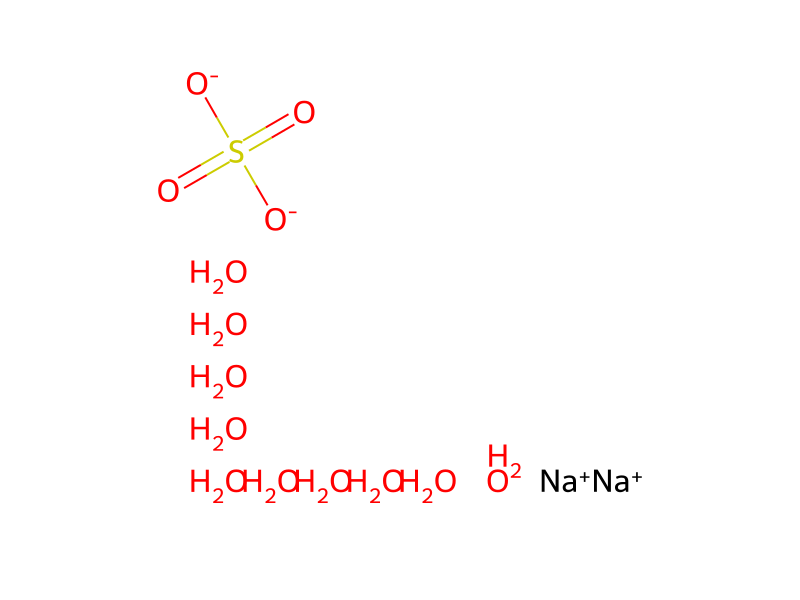
C([Li])CCC.Br[C:7]1[CH:12]=[CH:11][CH:10]=[CH:9][N:8]=1.[Cl:13][C:14]1[CH:21]=[CH:20][C:17]([CH:18]=[O:19])=[CH:16][C:15]=1[N+:22]([O-:24])=[O:23].O.O.O.O.O.O.O.O.O.O.S([O-])([O-])(=O)=O.[Na+].[Na+]>O1CCCC1>[N+:22]([C:15]1[CH:16]=[C:17]([CH:18]([C:7]2[CH:12]=[CH:11][CH:10]=[CH:9][N:8]=2)[OH:19])[CH:20]=[CH:21][C:14]=1[Cl:13])([O-:24])=[O:23].[ClH:13]Participants






Procedure
A solution of 200 ml. (0.32 mol) of n-butyllithium in 400 ml. of tetrahydrofuran was added to a solution of 48 g. (0.286 mol) of 2-bromopyridine in 120 ml. of tetrahydrofuran under argon cooled to -78° C. over 20 min. After 30 min. the resulting dark orange mixture was transferred under argon into a solution of 50 g. (0.27 mol) of 4-chloro-3-nitrobenzaldehyde in 600 ml. of tetrahydrofuran over a 30 min. period and the resulting dark solution was allowed to warm to room temperature overnight. The mixture was hydrolyzed with 32 g. (0.1 mol) of sodium sulfate decahydrate, filtered and concentrated in vacuo to a dark oil which was then warmed to 80° C. in 300 ml. of 3N hydrochloric acid, then cooled to 10° C. and the product was filtered, washed successively with 2-propanol and ether to yield 3-nitro-4-chlorophenyl-2-pyridylmethanol as its hydrochloride, mp. 195° -205° C.
Workup
- concentrationconcentrated in vacuo to a dark oil which
- temperaturewas then warmed to 80° C. in 300 ml
- temperatureof 3N hydrochloric acid, then cooled to 10° C.
- filtrationthe product was filtered
- washwashed successively with 2-propanol and ether
Sources & evidence
- ORD record
- ord-d71bce0d09b64ecfb756acf5a6561a4b
- Source dataset
- uspto-grants-1977_05
- Patent number
- US04026936
Reaction notes
Loading…