Ammonium Chloride → 2-Undec-1-enyl-1H-indole
Reaction equation

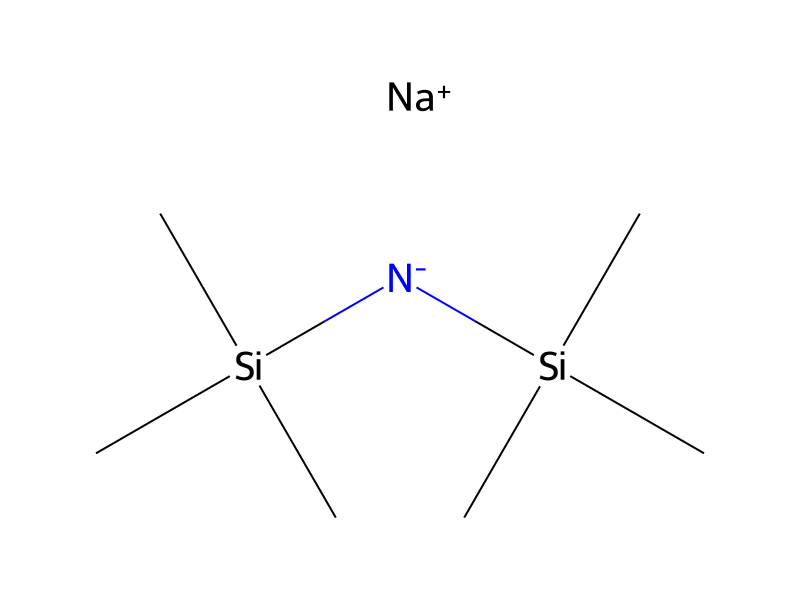
[Br-].[CH2:2]([P+](C1C=CC=CC=1)(C1C=CC=CC=1)C1C=CC=CC=1)[CH2:3][CH2:4][CH2:5][CH2:6][CH2:7][CH2:8][CH2:9][CH2:10][CH3:11].C[Si]([N-][Si](C)(C)C)(C)C.[Na+].[NH:41]1[C:49]2[C:44](=[CH:45][CH:46]=[CH:47][CH:48]=2)[CH:43]=[C:42]1[CH:50]=O.[Cl-].[NH4+]>C1COCC1.C(OCC)(=O)C>[CH:50]([C:42]1[NH:41][C:49]2[C:44]([CH:43]=1)=[CH:45][CH:46]=[CH:47][CH:48]=2)=[CH:2][CH2:3][CH2:4][CH2:5][CH2:6][CH2:7][CH2:8][CH2:9][CH2:10][CH3:11]Participants
7






Procedure
To a suspension of decyl-triphenyl-phosphonium bromide in THF was added NaHMDS in THF and the mixture was stirred for 30 minutes. A solution of 1H-indole-2-carbaldehyde was added to the reaction mixture and stirred for 3 hours. The reaction mixture was treated with saturated ammonium chloride and ethyl acetate. The product was purified by column chromatography.
Workup
- stirringstirred for 3 hours
- customThe product was purified by column chromatography
Sources & evidence
- ORD record
- ord-ff9858c510734755bbb829e7b36223e9
- Source dataset
- uspto-grants-2014_08
- Patent number
- US08809382B2
Reaction notes
Loading…