3,4-dihydro-2H-pyran → 5-bromo-1-(tetrahydro-2H-pyran-2-yl)-1H-pyrazolo[3,4-b]pyridine
Reaction equation

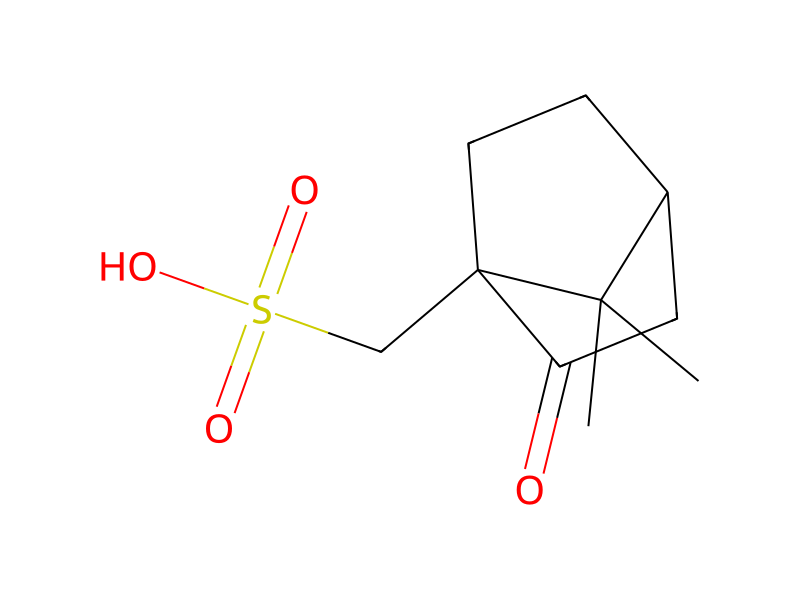
[Br:1][C:2]1[CH:3]=[C:4]2[CH:10]=[N:9][NH:8][C:5]2=[N:6][CH:7]=1.[O:11]1[CH:16]=[CH:15][CH2:14][CH2:13][CH2:12]1.C12(CS(O)(=O)=O)C(C)(C)C(CC1)CC2=O>O1CCCC1.C(OCC)(=O)C>[Br:1][C:2]1[CH:3]=[C:4]2[CH:10]=[N:9][N:8]([CH:12]3[CH2:13][CH2:14][CH2:15][CH2:16][O:11]3)[C:5]2=[N:6][CH:7]=1Participants
6
Reactant 3


Product 1

Reagents, catalysts & solvents 2


Conditions
- Temperature
- 65 °C
Procedure
To a solution of 5-bromo-1H-pyrazolo[3,4-b]pyridine (1.4 g, 7.2 mmol) and dihydropyran (3.3 mL, 36.0 mmol) in tetrahydrofuran (20 mL) was added (±)-camphorsulfonic acid (250 mg) and the reaction mixture was stirred at 65° C. for 16 hours. After cooling to room temperature it was diluted with ethyl acetate (250 mL), washed with saturated aqueous sodium bicarbonate (2×100 mL) and brine (100 mL), dried over sodium sulfate, filtered and concentrated. Gradient column chromatography (10% to 30% ethyl acetate in hexane) provided 5-bromo-1-(tetrahydro-2H-pyran-2-yl)-1H-pyrazolo[3,4-b]pyridine (1.8 g, 90%). MS (EI) for C11H12BrN3O: 283 (MH+).
Workup
- temperatureAfter cooling to room temperature it
- washwashed with saturated aqueous sodium bicarbonate (2×100 mL) and brine (100 mL)
- dry with materialdried over sodium sulfate
- filtrationfiltered
- concentrationconcentrated
Sources & evidence
- ORD record
- ord-ac6e226d760e4c878489c26270a85303
- Source dataset
- uspto-grants-2014_02
- Patent number
- US08648066B2
Reaction notes
Loading…