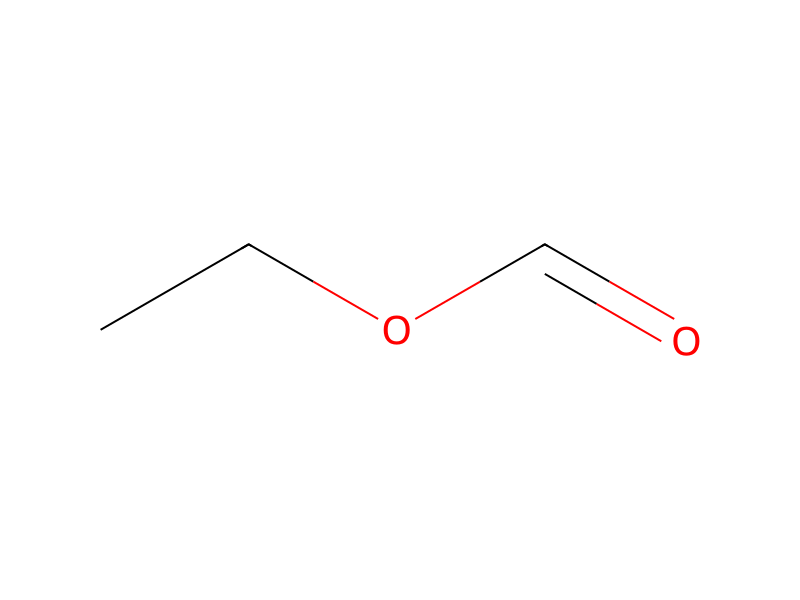
Ethyl formate → HCID 13983424, compound
Reaction equation

[Na].[CH3:2][C:3]([C:5]1[CH:10]=[CH:9][C:8]([Cl:11])=[C:7]([Cl:12])[CH:6]=1)=O.[CH:13](OCC)=O.[NH2:18][C:19]1[CH:24]=[CH:23][CH:22]=[C:21]([NH2:25])[N:20]=1.[OH-].[Na+]>Cl.O>[NH2:18][C:19]1[CH:24]=[CH:23][C:22]2[C:21](=[N:25][C:3]([C:5]3[CH:10]=[CH:9][C:8]([Cl:11])=[C:7]([Cl:12])[CH:6]=3)=[CH:2][CH:13]=2)[N:20]=1Participants
8







Procedure
The procedure is analogous to that described in Example 11, but starting with sodium (2.3 g), 3,4-dichloroacetophenone (19 g) and ethyl formate (11 g). The solid then obtained (22.7 g) is added to 2,6-diaminopyridine (11.6 g). The product obtained after hydrolysis and neutralization with 10N sodium hydroxide (22.4 g; m.p. approximately 140° C.) is dissolved in concentrated hydrochloric acid (d=1.19; 200 cc). The precipitate obtained after hydrolysis with distilled water (300 cc) followed by neutralization with 10N sodium hydroxide, is separated by filtration, washed with distilled water (5×50 cc) and air-dried. 2-Amino-7-(3,4-dichlorophenyl)-1,8-naphthyridine (14.6 g), m.p. 210° C., is obtained.
Workup
- customThe solid then obtained (22.7 g)
- customThe product obtained
- customThe precipitate obtained
- customis separated by filtration
- washwashed with distilled water (5×50 cc)
- customair-dried
Sources & evidence
- ORD record
- ord-d67cd52688a14add94b0bc0ae02f9070
- Source dataset
- uspto-grants-1988_01
- Patent number
- US04720500
Reaction notes
Loading…