Benzoic Acid → Ethyl 4-(benzyloxy)-3-oxobutanoate
Reaction equation

Cl[CH2:2][C:3](=[O:10])[CH2:4][C:5]([O:7][CH2:8][CH3:9])=[O:6].[C:11](O)(=[O:18])[C:12]1[CH:17]=[CH:16][CH:15]=[CH:14][CH:13]=1.C(N(CC)CC)C>C1(C)C=CC=CC=1>[CH2:11]([O:18][CH2:2][C:3](=[O:10])[CH2:4][C:5]([O:7][CH2:8][CH3:9])=[O:6])[C:12]1[CH:17]=[CH:16][CH:15]=[CH:14][CH:13]=1Participants
5
Reactant 3
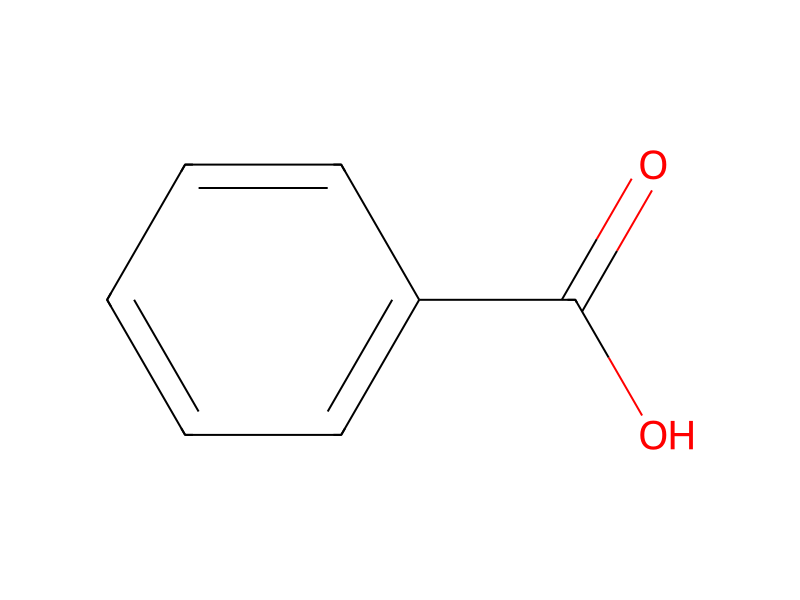


Product 1

Reagents, catalysts & solvents 1

Procedure
71 ml of ethyl 4-chloro-3-oxobutyrate are reacted with 121.4 g of benzoic acid and 132 ml of triethylamine in 1 l of toluene by the procedure described in Example 4. After removal of the solvent by distillation, the residue is a virtually pure product.
Workup
- customAfter removal of the solvent
- distillationby distillation
Sources & evidence
- ORD record
- ord-24ad28a59a1a41bfb405481bb6a228b3
- Source dataset
- uspto-grants-1988_01
- Patent number
- US04720572
Reaction notes
Loading…