Dichloromethane → Hydrochloric Acid
Reaction equation

[N:1]1[CH:6]=[CH:5][C:4]([C:7]2[S:8][CH:9]=[C:10]([C:12]3[C:13](=[O:24])[NH:14][C:15]4[C:20]([CH:21]=3)=[CH:19][CH:18]=[C:17]([CH:22]=[O:23])[CH:16]=4)[N:11]=2)=[CH:3][CH:2]=1.C(OC)(OC)OC.CC1CCCNC1.[OH-].[NH4+].C(Cl)[Cl:42]>CN(C=O)C.CCN(CC)CC.CC(O)=O>[ClH:42].[N:1]1[CH:6]=[CH:5][C:4]([C:7]2[S:8][CH:9]=[C:10]([C:12]3[C:13](=[O:24])[NH:14][C:15]4[C:20]([CH:21]=3)=[CH:19][CH:18]=[C:17]([CH:22]=[O:23])[CH:16]=4)[N:11]=2)=[CH:3][CH:2]=1Participants
Reactant 5




Product 2

Reagents, catalysts & solvents 3



Procedure
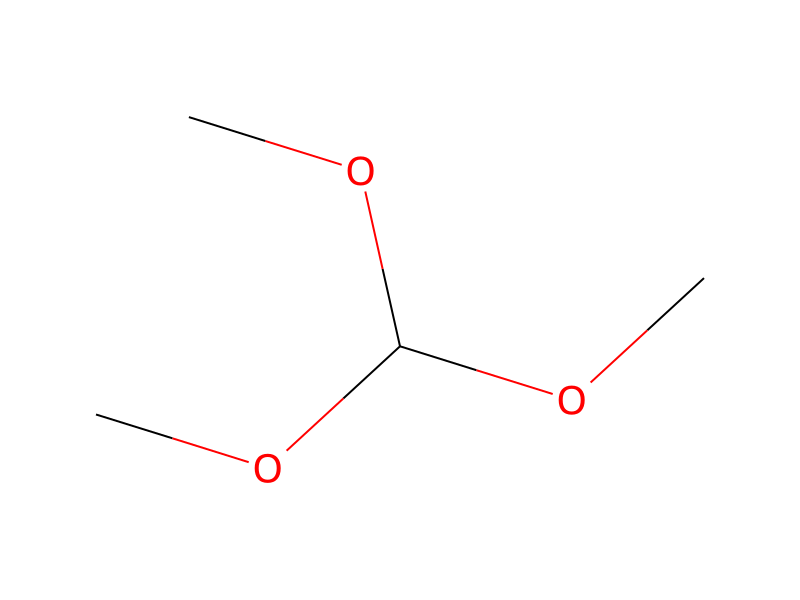
A solution of 3-(2-pyridin-4-yl-thiazol-4-yl)-1H-quinolin-2-one-7-carbaldehyde (step (a), 60 mg, 0.18 mmol), 1 mL of CH2Cl2, 0.5 mL of trimethyl orthoformate, 3-methylpiperidine (0.2 mL), and 10 mL of 5% HOAc in DMF was allowed to stir for 2 h. At this time, 0.9 g of polymer bounded MP-NEt3:BH3(CN) (Argonaut, 1 mmol/g) was added and the mixture was stirred at RT overnight. The resins were carefully removed by filtration and the filtrate was concentrated. The resulting residue was dissolved in DMSO and purified by preparative HPLC. The solid obtained after lyophilization was neutralized with aqueous ammonium hydroxide and subsequently lyophilized. Treatment with excess 1 N HCl solution afforded the title compound as a yellow solid after lyophilization (HCl salt). MS m/z: 417.0 (M+1).
Workup
- additionBH3(CN) (Argonaut, 1 mmol/g) was added
- stirringthe mixture was stirred at RT overnight
- customThe resins were carefully removed by filtration
- concentrationthe filtrate was concentrated
- dissolutionThe resulting residue was dissolved in DMSO
- custompurified by preparative HPLC
- customThe solid obtained after lyophilization
Sources & evidence
- ORD record
- ord-f83c5a74097341d29da6c39a455b2e60
- Source dataset
- uspto-grants-2004_11
- Patent number
- US06822097B1
Reaction notes
Loading…