1-(2-Methoxyphenyl)piperazine → HCID 44538756, compound
Reaction equation

[C:1]([C:3]1[CH:8]=[CH:7][C:6]([OH:9])=[CH:5][CH:4]=1)#[N:2].Br[CH2:11][CH2:12][CH2:13][CH2:14]Cl.C(=O)([O-])[O-].[K+].[K+].[CH3:22][O:23][C:24]1[CH:29]=[CH:28][CH:27]=[CH:26][C:25]=1[N:30]1[CH2:35][CH2:34][NH:33][CH2:32][CH2:31]1.C(=O)([O-])[O-].[Na+].[Na+].[I-].[K+].[H-].[H-].[H-].[H-].[Li+].[Al+3].[OH-].[Na+].O.[C:53](N1C=CN=C1)([N:55]1C=CN=C1)=[O:54].[OH-].[NH4+]>CC(C)=O.O>[CH3:22][O:23][C:24]1[CH:29]=[CH:28][CH:27]=[CH:26][C:25]=1[N:30]1[CH2:35][CH2:34][N:33]([CH2:11][CH2:12][CH2:13][CH2:14][O:9][C:6]2[CH:7]=[CH:8][C:3]([CH2:1][NH:2][C:53]([NH2:55])=[O:54])=[CH:4][CH:5]=2)[CH2:32][CH2:31]1Participants
Reactant 10
 HCID 13461-(2-Methoxyphenyl)piperazine
 HCID 4875Potassium Iodide
 HCID 10340Sodium Carbonate
 HCID 11430Potassium Carbonate
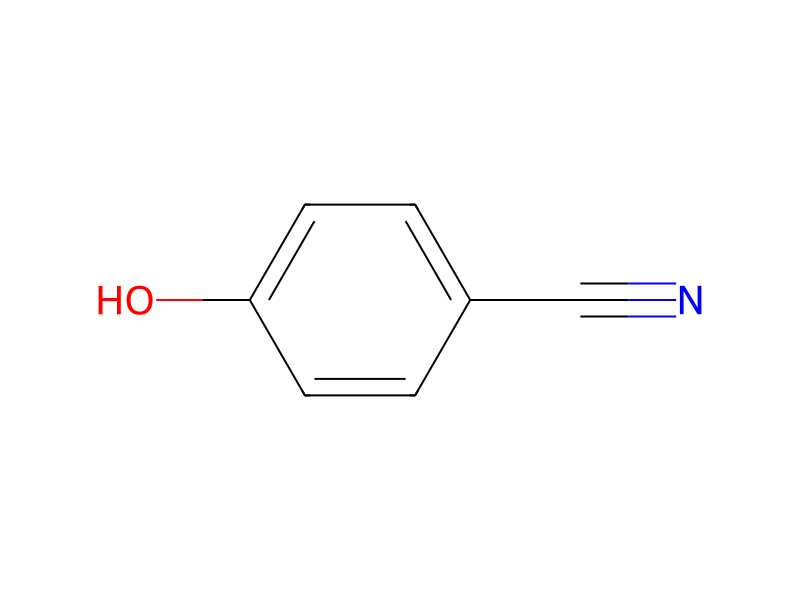 HCID 130194-Cyanophenol
 HCID 14923Ammonium Hydroxide
 HCID 682631,1'-Carbonyldiimidazole
 HCID 813641-Bromo-4-chlorobutane
 HCID 21226445Aluminium lithium hydride
 HCID 23719242Sodium hydroxide--water (1/1/1)
Product 1

Reagents, catalysts & solvents 2


Procedure
A mixture of 4-cyanophenol (5 mmol), 1-bromo-4-chlorobutane (5 mmol), and potassium carbonate (15 mmol) was refluxed in 100 ml of acetone for 6 h. This solution was then concentrated on a rotary evaporator and diluted with ethyl acetate. This mixture was then washed with brine, and the resulting organic layer was dried and purified by column chromatography. This product was dissolved in isopropanol (50 ml) and was added with 1-(2-methoxyphenyl)-piperazine (5 mmol), sodium carbonate (15 mmol), and potassium iodide (5 mmol) at 25° C., and the reaction mixture was refluxed for 12 h. This solution was then concentrated in a rotary evaporator and diluted with methylene chloride. This mixture was then washed with brine, and the resulting organic layer was dried and purified by column chromatography. This was dissolved in dried THF (50 ml) and was added with LAH (5 mmol) at 0° C., the reaction mixture was stirred at room temperature for 6 h, and H2O:1N NaOH:H2O (1:1:3) was added to terminate the reaction at 0° C. This crude product was dried with MgSO4 and concentrated in vacuo, and the residue was purified by column chromatography. This product was dissolved in THF (50 ml) and was added with 1,1′-carbonyl diimidazole (12 mmol) at 0° C., the reaction mixture was stirred at room temperature for 4 h, followed by the addition of excess ammonium hydroxide (10 ml) at 0° C. After 5 h stirring at room temperature, water was added to terminate the reaction. The organic layer was extracted 3 times with dichloromethane, then dried and concentrated in vacuo, and the residue was purified by column chromatography.
Workup
- concentrationThis solution was then concentrated on a rotary evaporator
- additiondiluted with ethyl acetate
- washThis mixture was then washed with brine
- customthe resulting organic layer was dried
- custompurified by column chromatography
- dissolutionThis product was dissolved in isopropanol (50 ml)
- temperaturethe reaction mixture was refluxed for 12 h
- concentrationThis solution was then concentrated in a rotary evaporator
- additiondiluted with methylene chloride
- washThis mixture was then washed with brine
- customthe resulting organic layer was dried
- custompurified by column chromatography
- dissolutionThis was dissolved in dried THF (50 ml)
- customto terminate
- customthe reaction at 0° C
- dry with materialThis crude product was dried with MgSO4
- concentrationconcentrated in vacuo
- customthe residue was purified by column chromatography
- dissolutionThis product was dissolved in THF (50 ml)
- stirringthe reaction mixture was stirred at room temperature for 4 h
- stirringAfter 5 h stirring at room temperature
- customto terminate
- customthe reaction
- extractionThe organic layer was extracted 3 times with dichloromethane
- customdried
- concentrationconcentrated in vacuo
- customthe residue was purified by column chromatography
Sources & evidence
- ORD record
- ord-77994f5a027b44c489cb78101fb5f184
- Source dataset
- uspto-grants-2011_06
- Patent number
- US07964605B2
Reaction notes
Loading…