Acryloyl chloride → HCID 18952360, compound
Reaction equation

[Cl:1][C:2]1[CH:11]=[CH:10][C:9]([OH:12])=[C:8]2[C:3]=1[C:4]([N:13]([CH3:15])[CH3:14])=[N:5][CH:6]=[N:7]2.[H-].[Na+].[C:18](Cl)(=[O:21])[CH:19]=[CH2:20].C(OCC)(=O)C.CCCCCCC>CN(C)C=O.O1CCCC1.C(OCC)(=O)C>[C:18]([O:12][C:9]1[CH:10]=[CH:11][C:2]([Cl:1])=[C:3]2[C:8]=1[N:7]=[CH:6][N:5]=[C:4]2[N:13]([CH3:15])[CH3:14])(=[O:21])[CH:19]=[CH2:20]Participants
8
Reactant 4



Product 1

Reagents, catalysts & solvents 3



Conditions
- Temperature
- 10 °C
Procedure
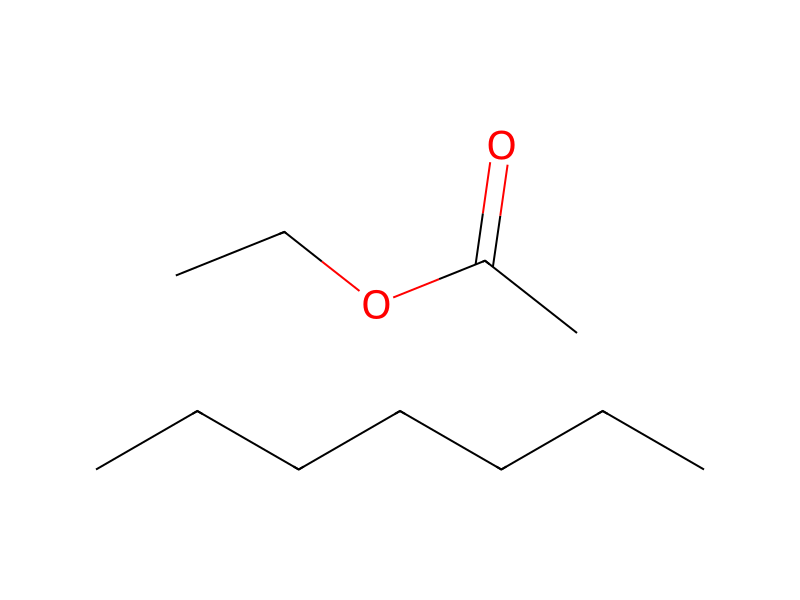
A solution of 5-chloro-4-(dimethylamino)-8-quinazolinol (0.65 g, 2.91 mmol) in N,N-dimethylformamide is treated in a single portion with a 60% sodium hydride dispersion in mineral oil (0.13 g, 3.25 mmol) at 50° C., stirred for 10 minutes, cooled to 10° C., treated with a solution of acryloyl chloride (0.29 g, 3.20 mmol) in tetrahydrofuran, stirred for 1 hour and diluted with ethyl acetate. The organic solution is washed sequentially with water and brine, dried over Na2SO4 and concentrated in vacuo to obtain a residue. Chromatography of the residue using silica gel and an ethyl acetate/heptane mixture gives the title product as a white solid, 0.42 g, mp 95°-100° C.
Workup
- stirringstirred for 1 hour
- washThe organic solution is washed sequentially with water and brine
- dry with materialdried over Na2SO4
- concentrationconcentrated in vacuo
- customto obtain a residue
Sources & evidence
- ORD record
- ord-1ed6df91d8834d028582449bfb091704
- Source dataset
- uspto-grants-1993_12
- Patent number
- US05270466
Reaction notes
Loading…