Potassium Carbonate → HCID 21444650, compound
Reaction equation

[Cl:1][CH2:2][CH:3]1[CH2:12][CH2:11][C:10]2[C:5](=[CH:6][CH:7]=[CH:8][CH:9]=2)[C:4]1=[O:13].P(Cl)(Cl)Cl.OC[CH:20]1[CH2:29]C[C:27]2[C:22](=[CH:23][CH:24]=[CH:25][CH:26]=2)[C:21]1=[O:30].C1(C2CC[N:40](O)[CH2:39][CH2:38]2)C=CC=CC=1.C(=O)([O-])[O-].[K+].[K+]>C(O)(C)C>[ClH:1].[C:22]1([C:21]2([OH:30])[CH2:20][CH2:29][N:40]([CH2:2][CH:3]3[CH2:12][CH2:11][C:10]4[C:5](=[CH:6][CH:7]=[CH:8][CH:9]=4)[C:4]3=[O:13])[CH2:39][CH2:38]2)[CH:23]=[CH:24][CH:25]=[CH:26][CH:27]=1Participants
7
Reactant 5

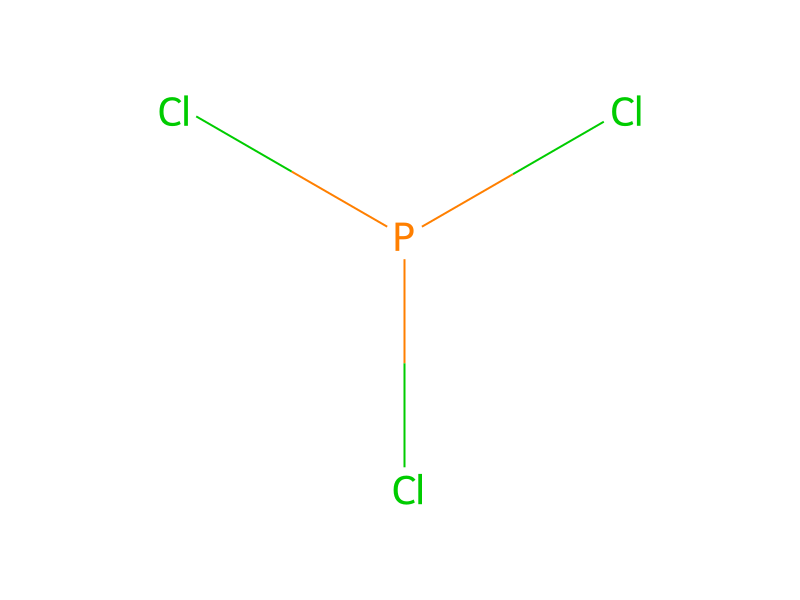


Product 1

Reagents, catalysts & solvents 1

Procedure
1.95 g. of 2-chloromethyl-1-tetralone, prepared by reaction of phosphorus trichloride and 2-hydroxymethyl-1-tetralone, 3.54 g. of 4-phenylpiperidin-1-ol and 1 g. of potassium carbonate in 20 ml. of isopropanol are heated under reflux for 3 hours. The mixture is evaporated and worked up with water and ether to give 2-(4-phenyl-4-hydroxypiperidinomethyl)-1-tetralone. Hydrochloride, M.P. 164°-167°.
Workup
- temperatureunder reflux for 3 hours
- customThe mixture is evaporated
Sources & evidence
- ORD record
- ord-4937bb5e7fea4bf7833dafed6a1d0cf6
- Source dataset
- uspto-grants-1977_04
- Patent number
- US04016281
Reaction notes
Loading…