Isopropanol → trans-1,2,3,4-Tetrahydro-3-(4-phenyl-1-piperazinyl)-2-naphthalenol
Reaction equation

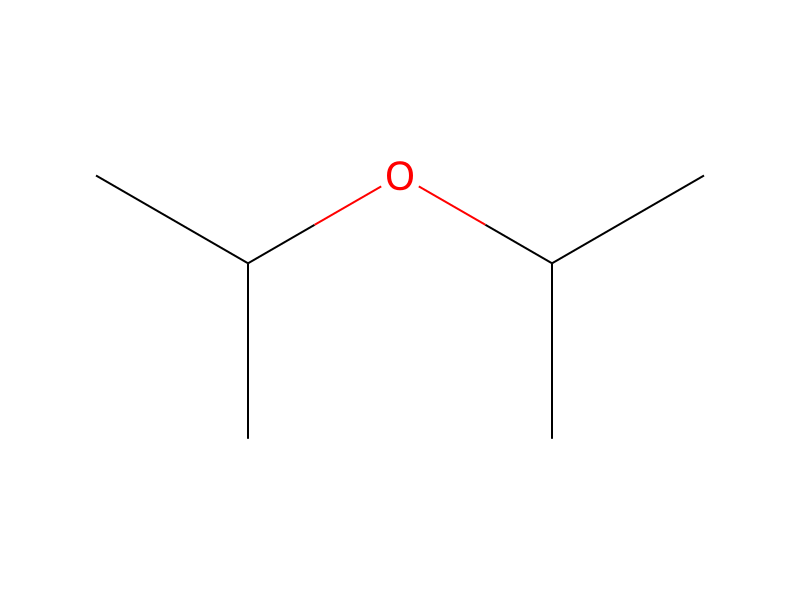
[O:1]1[CH:11]2[CH:2]1[CH2:3][C:4]1[C:9]([CH2:10]2)=[CH:8][CH:7]=[CH:6][CH:5]=1.[C:12]1([N:18]2[CH2:23][CH2:22][NH:21][CH2:20][CH2:19]2)[CH:17]=[CH:16][CH:15]=[CH:14][CH:13]=1.C(O)(C)C.C(OC(C)C)(C)C>C1(C)C(C)=CC=CC=1>[C:12]1([N:18]2[CH2:23][CH2:22][N:21]([C@@H:2]3[CH2:3][C:4]4[C:9](=[CH:8][CH:7]=[CH:6][CH:5]=4)[CH2:10][C@H:11]3[OH:1])[CH2:20][CH2:19]2)[CH:17]=[CH:16][CH:15]=[CH:14][CH:13]=1Participants
6





Procedure
A solution of 7.30 g of 2,3-epoxy-1,2,3,4-tetrahydronaphthalene, 8.91 g of N-phenylpiperazine, and 19 ml of isopropanol in 50 ml of xylene is refluxed for five days. The xylene is removed in vacuo leaving a solid residue, which yields 9.9 g of crude material on trituration with isopropyl ether. Two recrystallizations from ethyl acetate yield 6.5 g of the title compound, melting point 152°-154° C.
Workup
- customThe xylene is removed in vacuo
- customleaving a solid residue, which
Sources & evidence
- ORD record
- ord-9a7cb3d4714042bc96c95adfe7c1b7cb
- Source dataset
- uspto-grants-1977_04
- Patent number
- US04018773
Reaction notes
Loading…