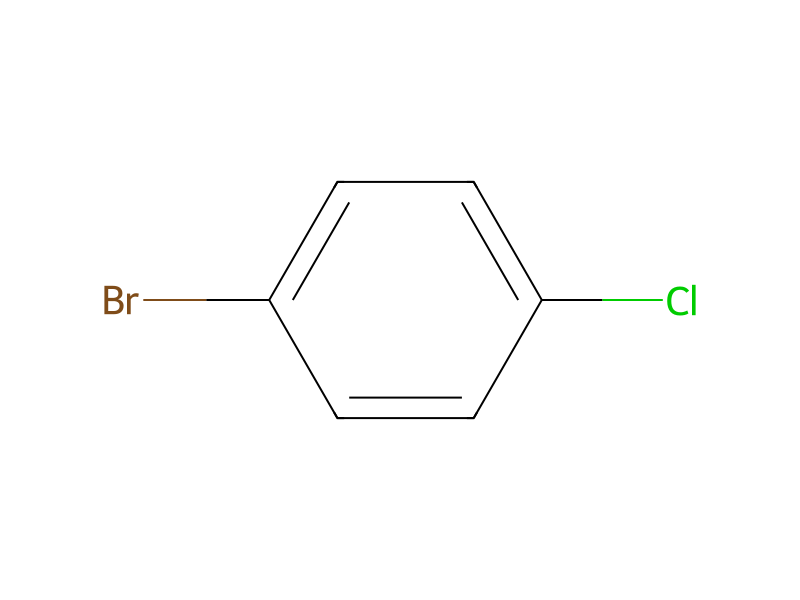
p-Bromochlorobenzene → (S)-1-(4-Chloro-phenyl)-azepane-2-carboxylic acid
Reaction equation

Cl.C(C1ON=C(N[C:12]([C@@H:14]2[CH2:20][CH2:19][CH2:18][CH2:17][CH2:16][NH:15]2)=[O:13])C=1)(C)(C)C.Br[C:22]1[CH:27]=[CH:26][C:25]([Cl:28])=[CH:24][CH:23]=1.C(=O)([O-])[O-:30].[K+].[K+]>CC(N(C)C)=O.CCOC(C)=O.[Cu]I>[Cl:28][C:25]1[CH:26]=[CH:27][C:22]([N:15]2[CH2:16][CH2:17][CH2:18][CH2:19][CH2:20][C@H:14]2[C:12]([OH:13])=[O:30])=[CH:23][CH:24]=1Participants
7
Reactant 3


Product 1

Reagents, catalysts & solvents 3



Procedure
A solution of (S)-perhydro-azepine-2-carboxylic acid (5-tert-butyl-isoxazol-3-yl)-amide hydrochloride (prepared according to Method T, step 6) (0.60 g, 4.20 mmol), 1-Bromo-4-chloro-benzene (0.80 g, 4.20 mmol), potassium carbonate (0.87 g, 6.29 mmol) and copper (I) iodide (0.08 g, 0.42 mmol) in DMA (10.0 mL), is heated at 100° C. in a sealed tube for 48 hours. The reaction mixture is diluted with EtOAc and washed with water. The water phase is acidified with 1N HCl and then extracted with EtOAc. The organic layers are combined, and after drying over anhydrous Na2SO4, removal of the solvent affords the title product that is used in the next step without any further purification. m/z 254 [M+H].
Workup
- washwashed with water
- extractionextracted with EtOAc
- dry with materialafter drying over anhydrous Na2SO4, removal of the solvent
Sources & evidence
- ORD record
- ord-71e0d94af9a546b5a506860ac50e7d16
- Source dataset
- uspto-grants-2014_11
- Patent number
- US08889670B2
Reaction notes
Loading…