Hydrochloric Acid → Salicylic Acid
Reaction equation

CC1C=CC(C[C:7]2[CH:15]=[C:14](CC3C=CC(C)=CC=3)[CH:13]=[C:9]([C:10]([OH:12])=[O:11])[C:8]=2[OH:24])=CC=1.[Cl-].[Al+3].[Cl-].[Cl-].C(Cl)C1C=CC=CC=1.Cl>C(OC(C)C)(C)C>[C:10]([OH:12])(=[O:11])[C:9]1[C:8](=[CH:7][CH:15]=[CH:14][CH:13]=1)[OH:24]Participants





Procedure
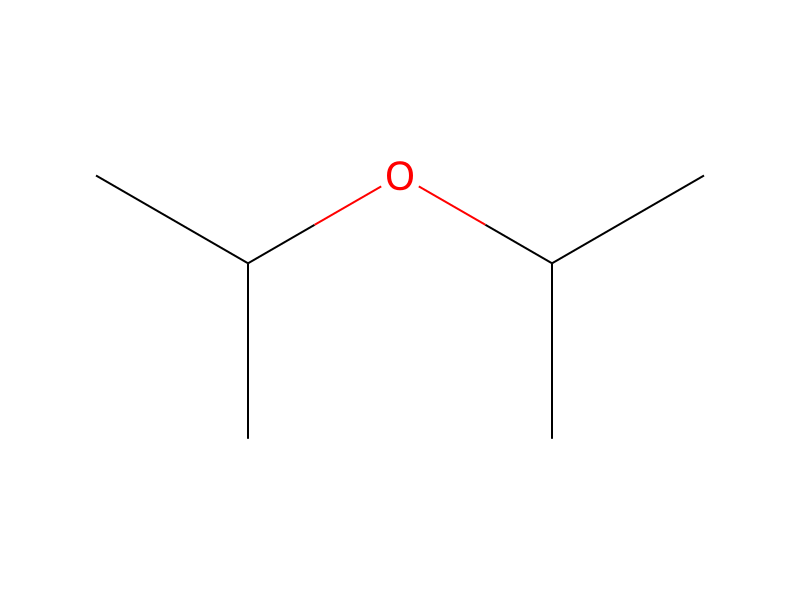
A glass-made reactor was charged with 6.9 g (0.02 mole) of 3,5-di(4-methylbenzyl)salicylic acid, 50 ml of isopropyl ether and as a catalyst, 2.7 g of anhydrous aluminum chloride. The resultant mixture was maintained at 50° C. under stirring. At the same temperature, 7.6 g (0.06 mole) of benzyl chloride was added dropwise over 8 hours to conduct a reaction. After completion of the dropwise addition, the reaction mixture was aged for 2 hours at the same temperature and was then poured into a dilute aqueous solution of hydrochloric acid. The resultant mixture was allowed to separate into layers. The solvent was then distilled out to obtain 12.0 g of a reddish brown resin. The weight average molecular weight of the thus-obtained resin was 1250, while its softening point was 65° C.
Workup
- customa reaction
- additionAfter completion of the dropwise addition
- customto separate into layers
- distillationThe solvent was then distilled out
Sources & evidence
- ORD record
- ord-55832250ff6641e3a936fa1bcedf4f60
- Source dataset
- uspto-grants-1991_03
- Patent number
- US04997874
Reaction notes
Loading…