Hydrochloric Acid → N-allyl-3-trimethylsilylpropiolic amide
Reaction equation

[CH3:1][Si:2]([C:5]#[C:6][Si](C)(C)C)([CH3:4])[CH3:3].[CH2:11]([N:14]=[C:15]=[O:16])[CH:12]=[CH2:13].[Cl-].[Al+3].[Cl-].[Cl-].CS(O)(=O)=O.Cl.C(=O)(O)[O-].[Na+]>O1CCOCC1.[Ti](Cl)(Cl)(Cl)Cl.[Cl-].[Zn+2].[Cl-].O.ClCCl.ClC1C=CC=CC=1Cl.ClCCCl>[CH2:11]([NH:14][C:15](=[O:16])[C:6]#[C:5][Si:2]([CH3:4])([CH3:3])[CH3:1])[CH:12]=[CH2:13]Participants
Reactant 6


Product 1

Reagents, catalysts & solvents 7


Procedure
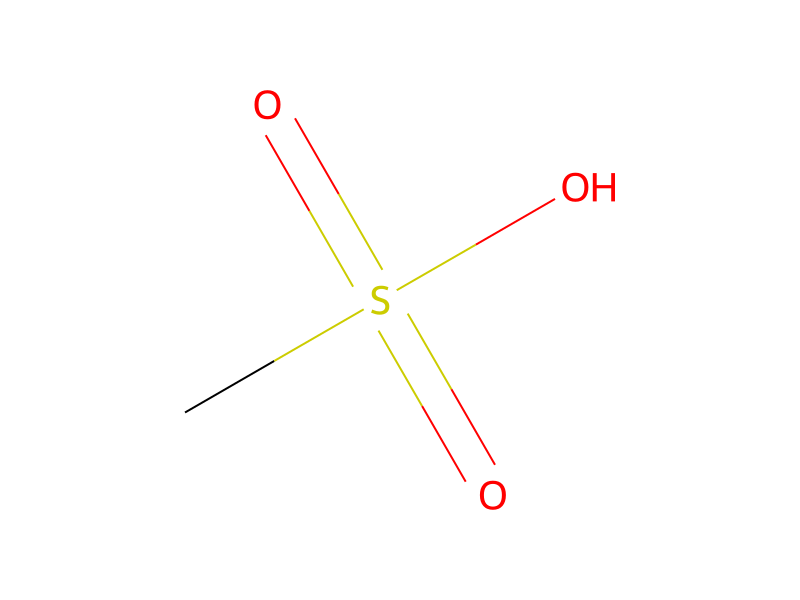
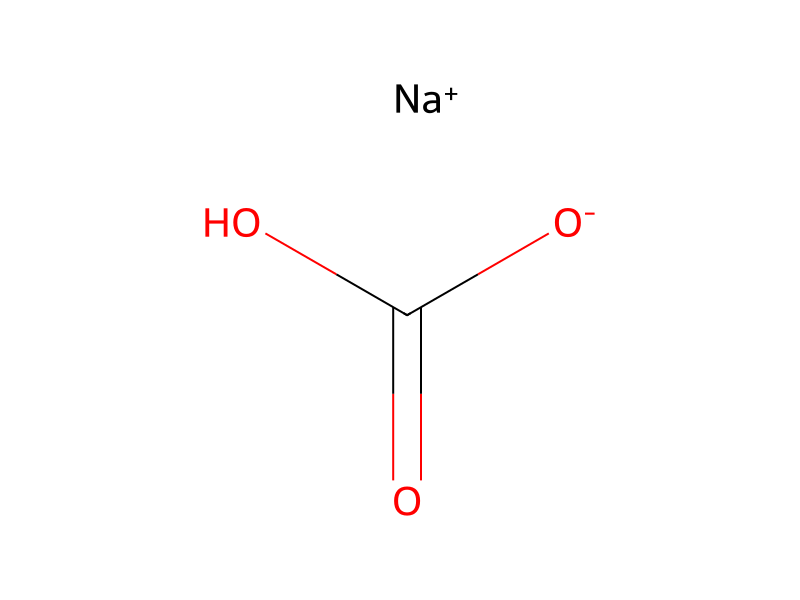
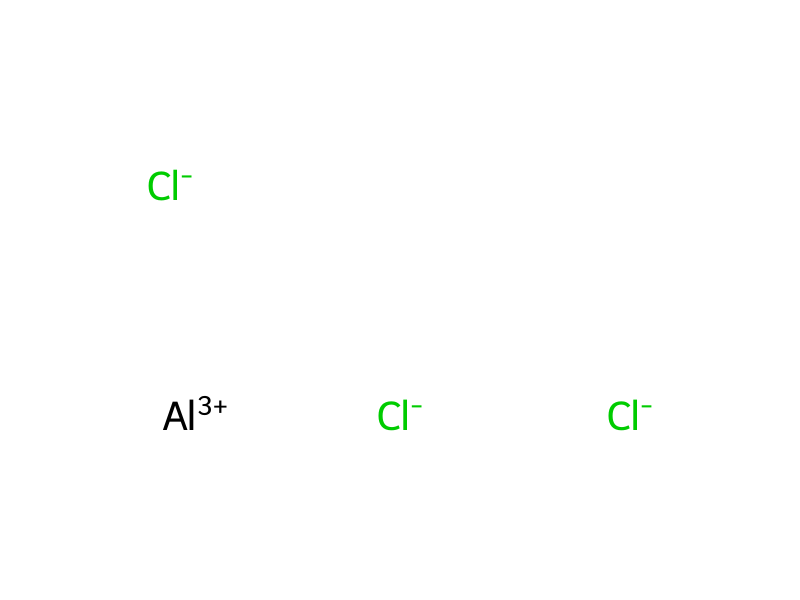
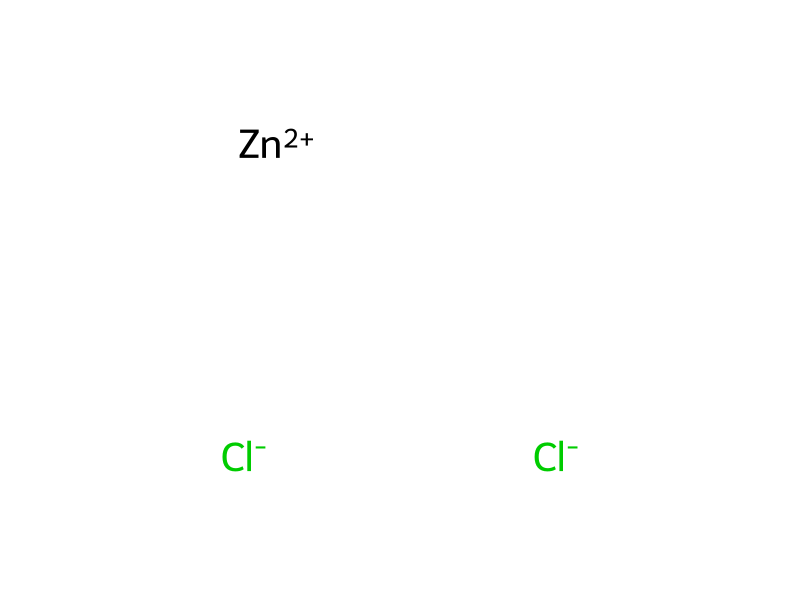
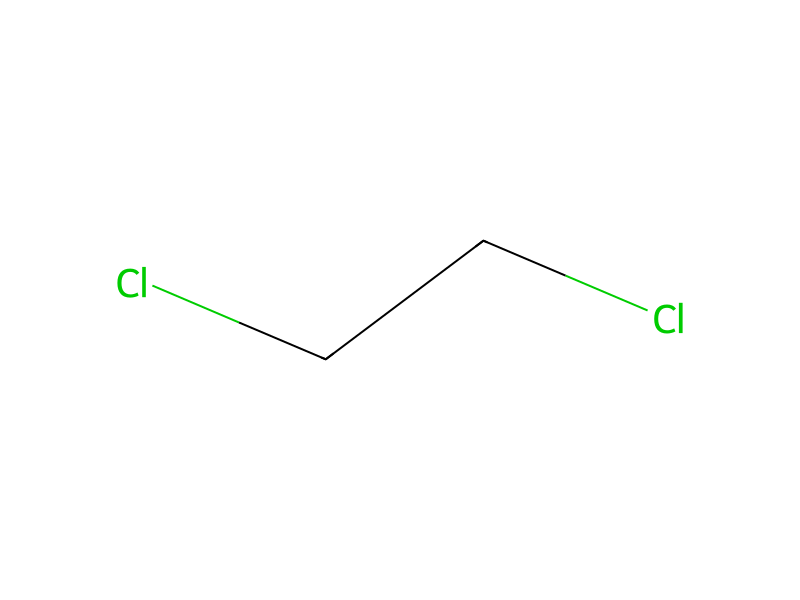
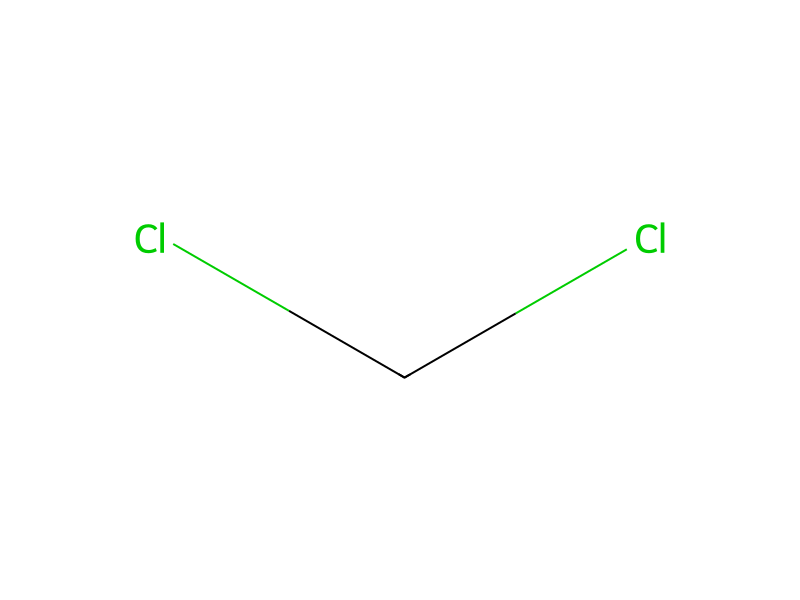
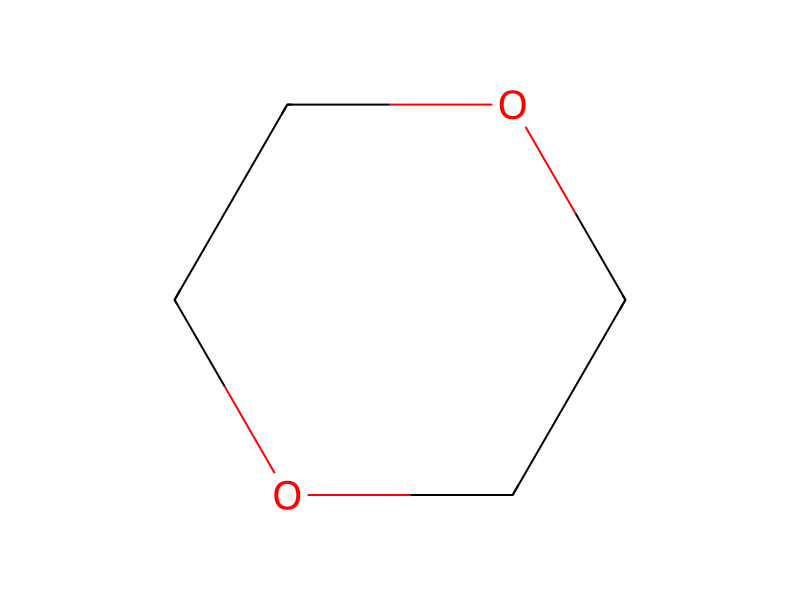
A solution of bis(trimethylsilyl)acetylene and allyl isocyanate in dry solvent is treated with an excess (at least 2 molar equivalents) of an acid catalyst. The preferred acid catalysts include aluminum chloride, ferric chloride and methanesulfonic acid; the most preferred acid catalyst is methanesulfonic acid. Acid catalysts which have been found not to work include: titanium tetrachloride, zinc chloride (in diethyl ether), Amberlyst 15 and Dowex 50 ion exchange resins, and gaseous hydrochloric acid in dioxane. 1,2-dichloroethane and o-dichlorobenzene are preferred solvents, the most preferred solvent is dichloromethane. The concentration of bis(trimethylsilyl) acetylene in the above reaction is preferred to be 1 molar or lower. The reaction is monitored by gas chromatography, and when product formation is complete the mixture is poured into water or saturated sodium bicarbonate and extracted with ethyl acetate. The organic phase is washed with water and brine, dried over sodium sulfate, filtered and evaporated to give an oil. When methanesulfonic acid is used as the catalyst, the oil may be used without further purification. When aluminum chloride is used as the catalyst, the oil is distilled under vacuum in a Kugelrohr apparatus (from about 100 to about 130° C. at from about 0.5 to about 1.0 Torr) to give the N-allyl-3-trimethylsilylpropiolic amide. ##STR9## wherein TMS is trimethylsilyl.
Workup
- extractionextracted with ethyl acetate
- washThe organic phase is washed with water and brine
- dry with materialdried over sodium sulfate
- filtrationfiltered
- customevaporated
- customto give an oil
- customthe oil may be used without further purification
- distillationthe oil is distilled under vacuum in a Kugelrohr apparatus (from about 100 to about 130° C. at from about 0.5 to about 1.0 Torr)
Sources & evidence
- ORD record
- ord-d6384b6e0de44a0bb9ea00d174e115c1
- Source dataset
- uspto-grants-2000_10
- Patent number
- US06140511
Reaction notes
Loading…