Piperazine → 2-Difluoroacetylimino-3(3-trifluoromethylphenyl)-5-methylthiazoline
Reaction equation

Cl.[NH:2]=[C:3]1[N:7]([C:8]2[CH:13]=[CH:12][CH:11]=[C:10]([C:14]([F:17])([F:16])[F:15])[CH:9]=2)[CH:6]=[C:5]([CH3:18])[S:4]1.N1CCNCC1.C(N(CC)CC)C.[F:32][C:33]([F:37])=[C:34](F)F.C[O:39]CCOCCOC>>[F:32][CH:33]([F:37])[C:34]([N:2]=[C:3]1[N:7]([C:8]2[CH:13]=[CH:12][CH:11]=[C:10]([C:14]([F:17])([F:15])[F:16])[CH:9]=2)[CH:6]=[C:5]([CH3:18])[S:4]1)=[O:39]Participants

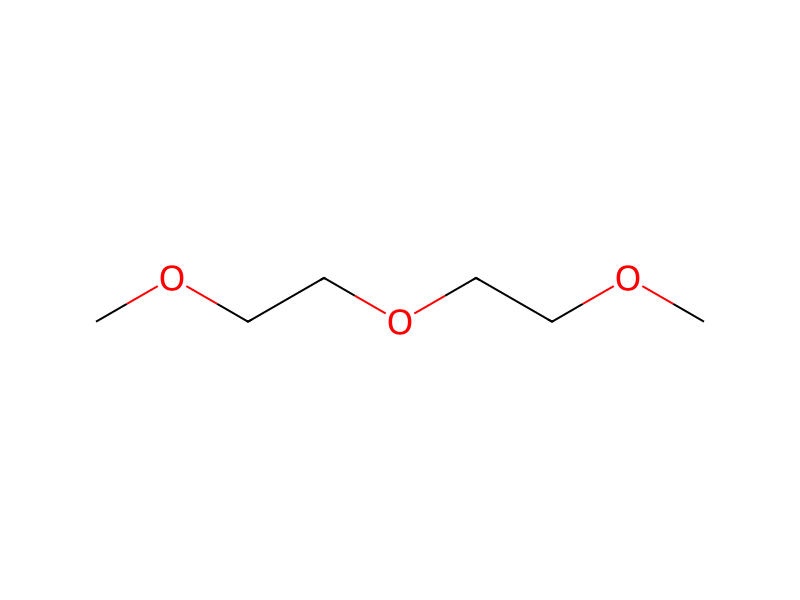




Conditions
- Temperature
- 70 °C
Procedure
A solution of 2-imino-3-(3-trifluoromethylphenyl)-5-methylthiazoline hydrochloride salt (1.47 g, 5.0 mmol), piperazine (0.64 g, 7.5 mmol) and triethylamine (1.52 g, 15.0 mmol) in diglyme (10 ml) charged in a reaction flask was reacted with tetrafluoroethylene, which was made to flow intothe flask (ca. 0.7 liter/hr), with vigorous stirring at 70° C. for 24 hours. After cooling to an ambient temperature, the reaction mixture was poured into ice-water, and extracted with diethyl ether. The diethyl ether layer was washed with water and then brine, and dried over anhydrous magnesium sulfate. The solvent was distilled off, and the residue was subjected to silica gel column chromatography, which afforded 2-difluoroacetylimino-3-(3-trifluoromethylphenyl)-5-methylthiazoline (1.01 g, 3.0 mmol, yield 60%).
Workup
- customto flow intothe flask
- temperatureAfter cooling to an ambient temperature
- extractionextracted with diethyl ether
- washThe diethyl ether layer was washed with water
- dry with materialbrine, and dried over anhydrous magnesium sulfate
- distillationThe solvent was distilled off
Sources & evidence
- ORD record
- ord-422c34cb68ba4bdcb5025b23531f5e03
- Source dataset
- uspto-grants-1996_01
- Patent number
- US05484933
Reaction notes
Loading…