Hydrochloric Acid → HCID 22646549, compound
Reaction equation

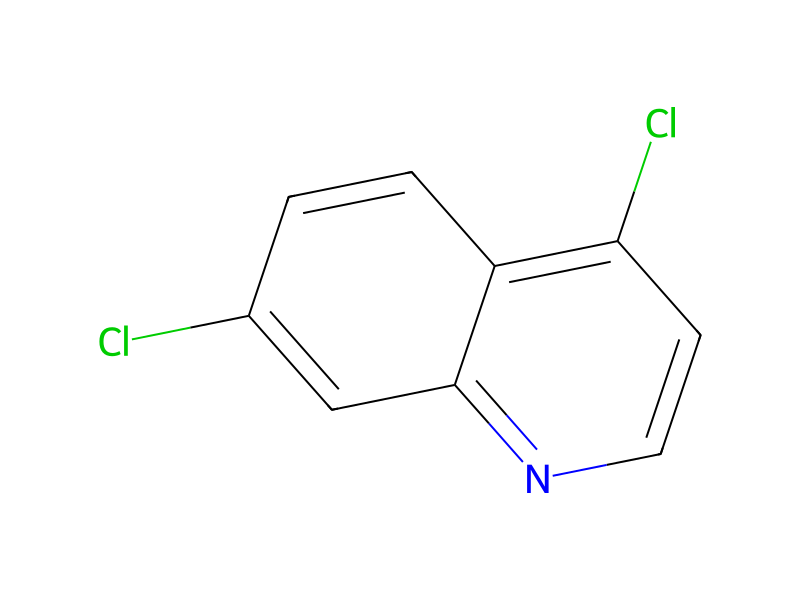
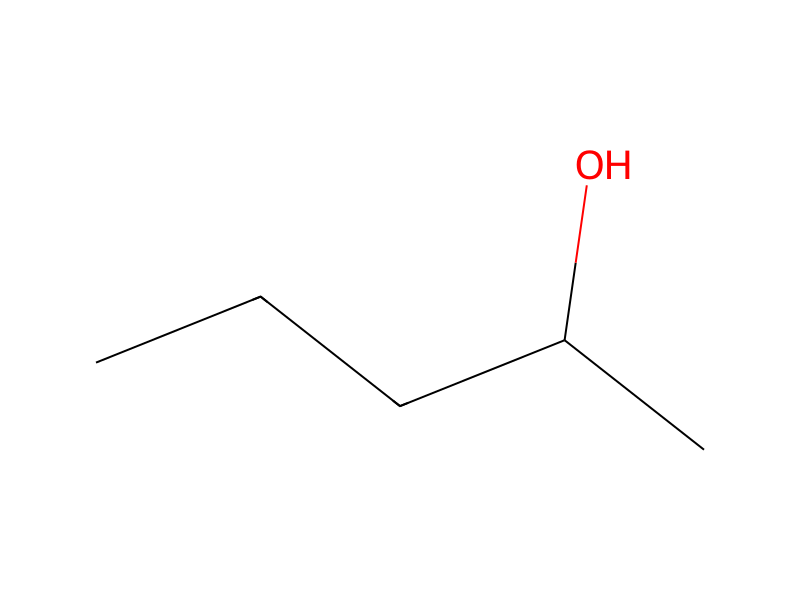
[Cl:1][C:2]1[C:11]2[C:6](=[CH:7][C:8]([Cl:12])=[CH:9][CH:10]=2)[N:5]=[CH:4][CH:3]=1.[F:13][C:14]1[CH:20]=[C:19]([CH3:21])[C:18]([OH:22])=[CH:17][C:15]=1[NH2:16].Cl>CC(O)CCC.C(O)(C)C>[ClH:1].[Cl:12][C:8]1[CH:7]=[C:6]2[C:11]([C:2]([NH:16][C:15]3[CH:17]=[C:18]([OH:22])[C:19]([CH3:21])=[CH:20][C:14]=3[F:13])=[CH:3][CH:4]=[N:5]2)=[CH:10][CH:9]=1Participants
6
Reactant 3


Product 1

Reagents, catalysts & solvents 2

Procedure
A solution of 4,7-dichloroquinoline (198 mg, 1 mmol) and 2-fluoro-5-hydroxy-4-methylaniline (1 69 mg, 1.2 mmol), (prepared as described for the starting material in Example 1), in 2-pentanol (5 ml) containing 5M hydrochloric acid in isopropanol (0.5 ml) was heated at reflux for 2 hours. The volatiles were removed by evaporation and the residue was triturated with ether. The solid was collected by filtration, washed with isopropanol, followed by ether and dried under vacuum to give 7-chloro-4-(2-fluoro-5-hydroxy-4-methylanilino)quinoline hydrochloride (300 mg, 88%).
Workup
- temperaturewas heated
- temperatureat reflux for 2 hours
- customThe volatiles were removed by evaporation
- customthe residue was triturated with ether
- filtrationThe solid was collected by filtration
- washwashed with isopropanol
- customdried under vacuum
Sources & evidence
- ORD record
- ord-afbe6977fe3144e9b7df267085e90d21
- Source dataset
- uspto-grants-2004_10
- Patent number
- US06809097B1
Reaction notes
Loading…