Hydrochloric Acid → 3-(5-Aminopyrazol-1-yl)benzoic acid
Reaction equation

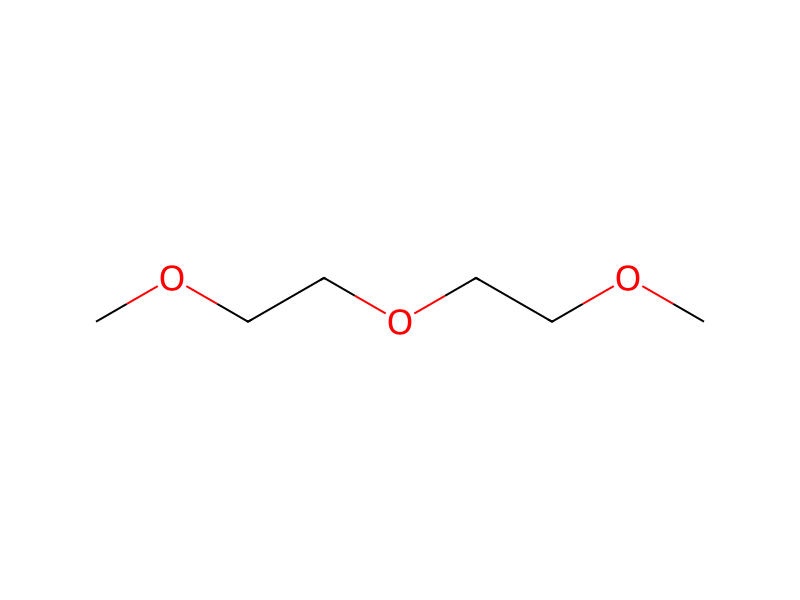
[NH2:1][C:2]1[N:6]([C:7]2[CH:8]=[C:9]([CH:13]=[CH:14][CH:15]=2)[C:10]([OH:12])=[O:11])[N:5]=[CH:4][C:3]=1C(O)=O.C(OCC)(=O)C.C(=O)([O-])[O-].[K+].[K+].Cl>COCCOCCOC.O>[NH2:1][C:2]1[N:6]([C:7]2[CH:8]=[C:9]([CH:13]=[CH:14][CH:15]=2)[C:10]([OH:12])=[O:11])[N:5]=[CH:4][CH:3]=1Participants
7






Procedure
The mixture of 3-(5-amino-4-carboxypyrazol-1-yl)benzoic acid (19.4 g) in diglyme (200 ml) was heated under reflux for 6 hours. To the mixture was added a mixture of ethyl acetate and water, and adjusted to pH 9 with 20% aqueous potassium carbonate solution. The separated aqueous layer was adjusted to pH 3.5 with 6N-hydrochloric acid and the mixture was extracted with a solution of ethyl acetate and tetrahydrofuran. The extract layer was washed with brine, dried over magnesium sulfate and evaporated in vacuo to give 3-(5-aminopyrazol-1-yl)benzoic acid (7.59 g).
Workup
- temperaturewas heated
- temperatureunder reflux for 6 hours
- additionTo the mixture was added
- extractionthe mixture was extracted with a solution of ethyl acetate and tetrahydrofuran
- washThe extract layer was washed with brine
- dry with materialdried over magnesium sulfate
- customevaporated in vacuo
Sources & evidence
- ORD record
- ord-3f9c204d4be84050a73219bb4f0f3ae9
- Source dataset
- uspto-grants-1998_10
- Patent number
- US05824691
Reaction notes
Loading…