4-Chlorophenol → 1-(3-Bromopropoxy)-4-chlorobenzene
Reaction equation

[Cl:1][C:2]1[CH:7]=[CH:6][C:5]([OH:8])=[CH:4][CH:3]=1.[H-].[Na+].[Br:11][CH2:12][CH2:13][CH2:14]Br.[Cl-].[NH4+]>C1COCC1>[Br:11][CH2:12][CH2:13][CH2:14][O:8][C:5]1[CH:6]=[CH:7][C:2]([Cl:1])=[CH:3][CH:4]=1Participants
Reactant 4
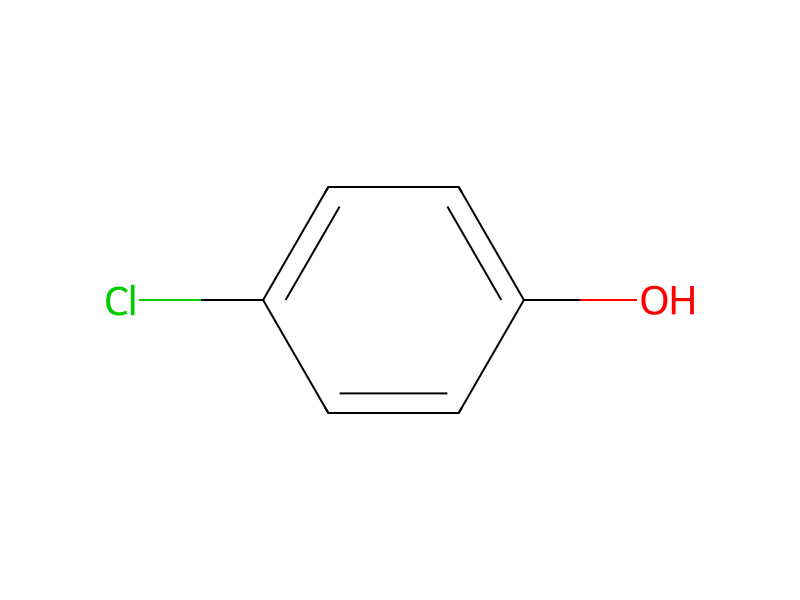



Product 1

Reagents, catalysts & solvents 1

Conditions
- Temperature
- 0 °C
Procedure
To a solution of 4-chlorophenol (5.0 g, 38.9 mmol) in dry THF (80 ml) under nitrogen cooled to 0° C. was added portionwise sodium hydride (60% in mineral oil, 171 g, 42.8 mmol). After stirring at 0° C. for 15 mins and room temperature for 30 mins, this mixture was added to a solution of 1,3-dibromopropane (4 ml, 77.8 mmol) in THF (20 ml) under nitrogen cooled to 0° C. The reaction mixture was stirred at room temperature for 30 mins and then heated at reflux for 5 hours. Saturated ammonium chloride solution (50 ml) was added and the mixture concentrated in vacuo. The residue was partitioned between ethyl acetate (150 ml) and water (150 ml). The organic layer was washed with brine (150 ml), dried over magnesium sulphate, filtered and concentrated in vacuo. Purification was by flash chromatography on silica eluting with dichloromethane afforded the title compound as a clear oil (2.6 g, 30%).
Workup
- temperaturecooled to 0° C
- stirringThe reaction mixture was stirred at room temperature for 30 mins
- temperatureheated
- temperatureat reflux for 5 hours
- concentrationthe mixture concentrated in vacuo
- customThe residue was partitioned between ethyl acetate (150 ml) and water (150 ml)
- washThe organic layer was washed with brine (150 ml)
- dry with materialdried over magnesium sulphate
- filtrationfiltered
- concentrationconcentrated in vacuo
- customPurification
Sources & evidence
- ORD record
- ord-5a782875b661487fa27982db55b4cba5
- Source dataset
- uspto-grants-2003_05
- Patent number
- US06566384B1
Reaction notes
Loading…