Dimethylformamide → 2-chloro-9-(cyclopropylmethyl)-6-morpholin-4-yl-9H-purine
Reaction equation

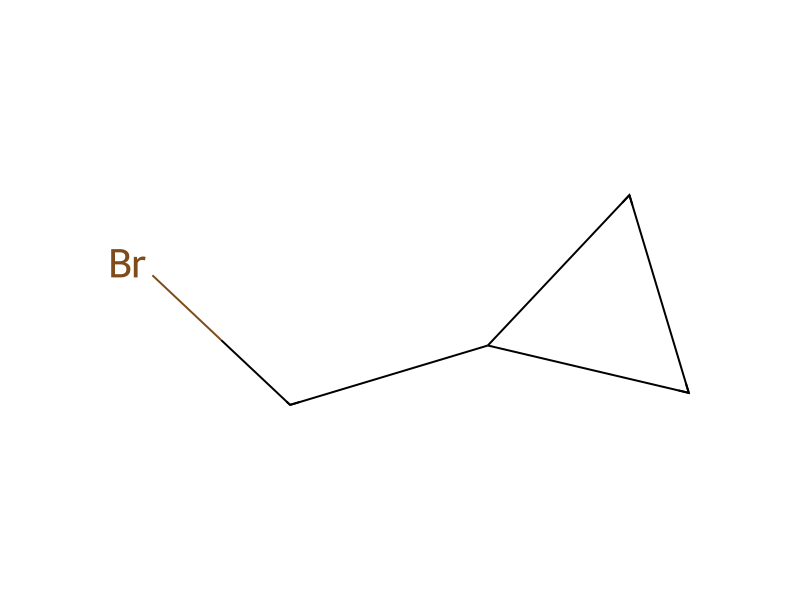
C(=O)([O-])[O-].[K+].[K+].[CH:7]1([CH2:10]Br)[CH2:9][CH2:8]1.CN(C)C=O.[Cl:17][C:18]1[N:26]=[C:25]2[C:21]([N:22]=[CH:23][NH:24]2)=[C:20]([N:27]2[CH2:32][CH2:31][O:30][CH2:29][CH2:28]2)[N:19]=1>C(OCC)(=O)C>[Cl:17][C:18]1[N:26]=[C:25]2[C:21]([N:22]=[CH:23][N:24]2[CH2:10][CH:7]2[CH2:9][CH2:8]2)=[C:20]([N:27]2[CH2:28][CH2:29][O:30][CH2:31][CH2:32]2)[N:19]=1Participants





Conditions
- Temperature
- 80 °C
Procedure
Potassium carbonate (36.0 g, 260.5 mmol) and cyclopropylmethyl bromide (20.2 g, 143.3 mmol) were added to an N,N-dimethylformamide suspension (400 ml) of 2-chloro-6-morpholin-4-yl-9H-purine (32.4 g; purity, approx. 96%; 130.2 mmol) at room temperature and the resulting mixture was stirred at 80° C. for 3 hours in a nitrogen atmosphere. The reaction mixture was left standing to cool, then poured into ethyl acetate, washed with saturated aqueous sodium hydrogen carbonate solution, and dried over anhydrous sodium sulfate. After filtration, the filtrate was concentrated under reduced pressure and the resulting solid was washed with diethyl ether and collected by filtration to give the title compound (26.9 g, 70%) as a colorless acicular crystal. The mother liquor was further concentrated by the same procedure to give the secondary crystal of the title compound (7.68 g, 20%) as a white solid.
Workup
- waitThe reaction mixture was left
- temperatureto cool
- washwashed with saturated aqueous sodium hydrogen carbonate solution
- dry with materialdried over anhydrous sodium sulfate
- filtrationAfter filtration
- concentrationthe filtrate was concentrated under reduced pressure
- washthe resulting solid was washed with diethyl ether
- filtrationcollected by filtration
Sources & evidence
- ORD record
- ord-ca4a526d80da4d2ca55fc2e993279b5d
- Source dataset
- uspto-grants-2012_01
- Patent number
- US08097622B2
Reaction notes
Loading…