Triethylamine → Gsk 1034702
Reaction equation

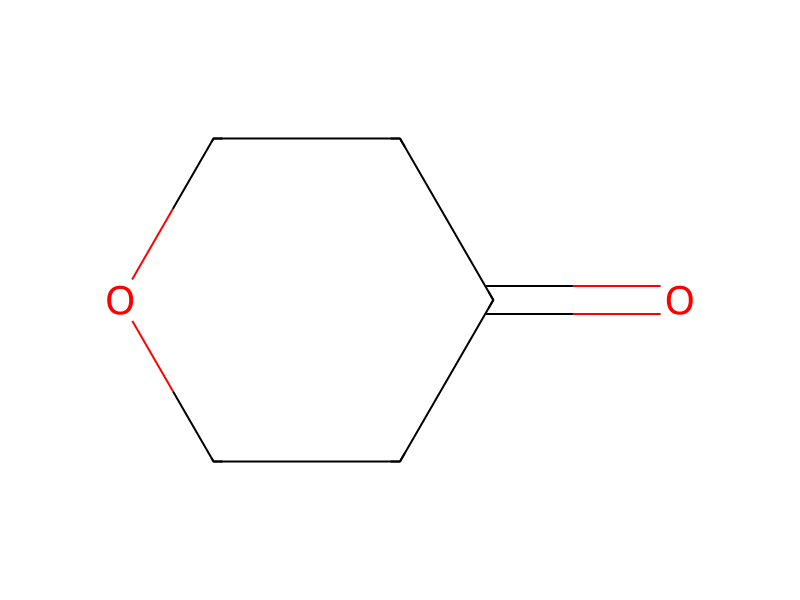
Cl.[F:2][C:3]1[C:11]2[NH:10][C:9](=[O:12])[N:8]([CH:13]3[CH2:18][CH2:17][NH:16][CH2:15][CH2:14]3)[C:7]=2[CH:6]=[C:5]([CH3:19])[CH:4]=1.C(N(CC)CC)C.[O:27]1[CH2:32][CH2:31][C:30](=O)[CH2:29][CH2:28]1.C(O[BH-](OC(=O)C)OC(=O)C)(=O)C.[Na+]>ClCCl.ClCCCl>[F:2][C:3]1[C:11]2[NH:10][C:9](=[O:12])[N:8]([CH:13]3[CH2:18][CH2:17][N:16]([CH:30]4[CH2:31][CH2:32][O:27][CH2:28][CH2:29]4)[CH2:15][CH2:14]3)[C:7]=2[CH:6]=[C:5]([CH3:19])[CH:4]=1Participants
Reactant 4



Product 1

Reagents, catalysts & solvents 2


Procedure
4-Fluoro-6-methyl-1-(4-piperidinyl)-1,3-dihydro-2H-benzimidazol-2-one hydrochloride (D5) (0.072 mmol, 21 mg) was dissolved in dichloromethane (2 ml) and triethylamine (3 eq., 0.216 mmol, 30 microliters), tetrahydro-4H-pyran-4-one (7 eq., 0.5 mmol, 47 microliters) were added and the mixture was stirred at room temperature for 10 minutes; sodium triacetoxyborohydride (7 eq., 0.5 mmol, 106 mg) was added at room temperature and the mixture was stirred at room temperature for one overnight. Reaction mixture was quenched with NaHCO3 (saturated solution) and diluted with dichloromethane; the two phases were separated and the organic solvent was evaporated to afford the crude product. The crude obtained was dissolved in 1,2-dichloroethane (3 ml) and triethylamine (3 eq., 0.216 mmol, 30 microliters), tetrahydro-4H-pyran-4-one (7 eq., 0.5 mmol, 47 microliters) were added again and the mixture was stirred at room temperature for 10 minutes; sodium triacetoxyborohydride (7 eq., 0.5 mmol, 106 mg) was subsequently added at room temperature and the mixture was stirred at room temperature for 3 extra hours. Reaction mixture was quenched with NaHCO3 (saturated solution) and diluted with dichloromethane; the two phases were separated and the organic solvent was evaporated to afford the crude product that was purified by chromatography (methanol-NH3-dichloromethane) to afford 4-fluoro-6-methyl-1-[1-(tetrahydro-2H-pyran-4-yl)-4-piperidinyl]-1,3-dihydro-2H-benzimidazol-2-one, 10 mg, 42%, M++H=334, which was converted to the HCl salt using 1M HCl in diethyl ether.
Workup
- stirringthe mixture was stirred at room temperature for one overnight
- customReaction mixture
- customwas quenched with NaHCO3 (saturated solution)
- additiondiluted with dichloromethane
- customthe two phases were separated
- customthe organic solvent was evaporated
- customto afford the crude product
- customThe crude obtained
- stirringthe mixture was stirred at room temperature for 10 minutes
- stirringthe mixture was stirred at room temperature for 3 extra hours
- customReaction mixture
- customwas quenched with NaHCO3 (saturated solution)
- additiondiluted with dichloromethane
- customthe two phases were separated
- customthe organic solvent was evaporated
- customto afford the crude product that
- customwas purified by chromatography (methanol-NH3-dichloromethane)
Sources & evidence
- ORD record
- ord-f0fea5d0162b43f29ed0b2a98925957d
- Source dataset
- uspto-grants-2013_07
- Patent number
- US08481566B2
Reaction notes
Loading…