Hydrochloric Acid → N-[4-(2-Cyclopropylethoxy)benzoyl]glycine
Reaction equation

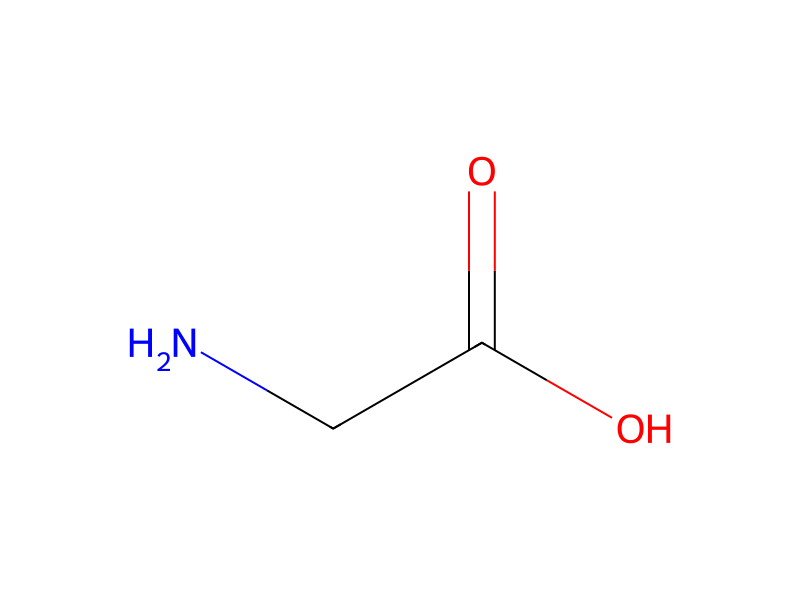
C(Cl)(=O)C(Cl)=O.[CH:7]1([CH2:10][CH2:11][O:12][C:13]2[CH:21]=[CH:20][C:16]([C:17]([OH:19])=O)=[CH:15][CH:14]=2)[CH2:9][CH2:8]1.[NH2:22][CH2:23][C:24]([OH:26])=[O:25].C(N(CC)CC)C.Cl>CN(C=O)C.ClCCl>[CH:7]1([CH2:10][CH2:11][O:12][C:13]2[CH:14]=[CH:15][C:16]([C:17]([NH:22][CH2:23][C:24]([OH:26])=[O:25])=[O:19])=[CH:20][CH:21]=2)[CH2:8][CH2:9]1Participants
Reactant 5




Product 1

Reagents, catalysts & solvents 2


Procedure
Oxalyl chloride (8.64 mL, 99.0 mmol) and one drop of DMF were added to a solution of dichloromethane (30 mL) containing 4-(2-cyclopropylethoxy)benzoic acid (9.28 g, 45.0 mmol) prepared in Example 9 (9a) under ice-cooling. The mixture was stirred at room temperature for 1.75 hours, and the solvent was evaporated. Then, the resulting residue was suspended in THF (3 mL). This suspension added dropwise to a 50% THF aqueous solution (120 mL) containing glycine (4.41 g, 58.7 mmol) and triethylamine (15.7 mL, 112 mmol) under ice-cooling. The mixture was stirred at room temperature for 1.5 hours, and then 10% hydrochloric acid (40 mL) was added thereto under ice-cooling. The produced precipitate was collected by filtration, washed with water, and dried by heating under reduced pressure to give 11.4 g of the title compound (powder, yield: 97%).
Workup
- temperaturecooling
- customthe solvent was evaporated
- additionThis suspension added dropwise to a 50% THF aqueous solution (120 mL)
- temperaturecooling
- stirringThe mixture was stirred at room temperature for 1.5 hours
- temperatureunder ice-cooling
- filtrationThe produced precipitate was collected by filtration
- washwashed with water
- customdried
- temperatureby heating under reduced pressure
Sources & evidence
- ORD record
- ord-cd52ca92ca1242c7a9ce456e8263b6ee
- Source dataset
- uspto-grants-2013_07
- Patent number
- US08497397B2
Reaction notes
Loading…