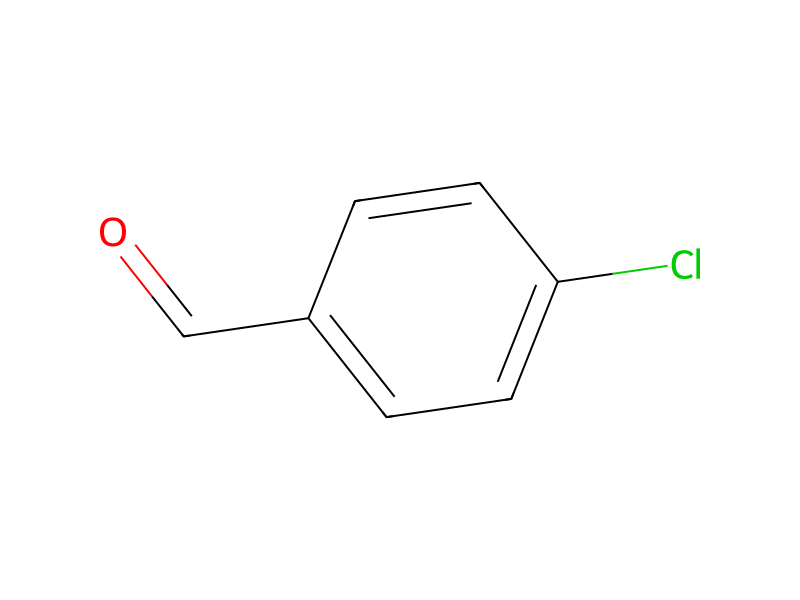
4-Chlorobenzaldehyde → Ethyl 4-(4-chlorophenyl)-4-oxobutanoate
Reaction equation

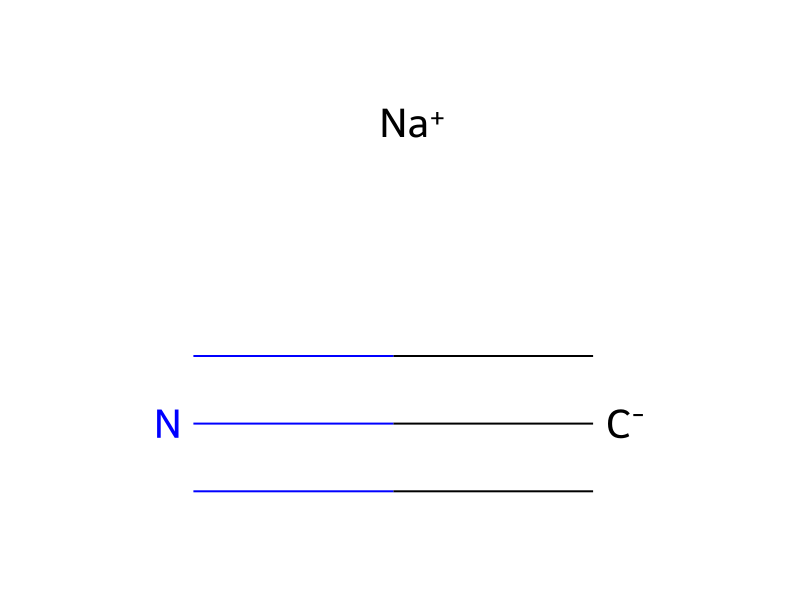
ClC1C=C[C:5]([CH:8]2[CH2:13][CH:12](CN3C=NC=N3)[O:11][C:9]2=[O:10])=CC=1.[Cl:20][C:21]1[CH:28]=[CH:27][C:24]([CH:25]=[O:26])=[CH:23][CH:22]=1.C(OCC)(=O)C=C.[C-]#N.[Na+]>CN(C)C=O>[Cl:20][C:21]1[CH:28]=[CH:27][C:24]([C:25]([CH2:5][CH2:8][C:9]([O:11][CH2:12][CH3:13])=[O:10])=[O:26])=[CH:23][CH:22]=1Participants
6
Reactant 4


Product 1

Reagents, catalysts & solvents 1

Procedure
This Example illustrates the preparation of -(4-chlorophenyl)-γ-(1,2,4-triazol-1-yl)methyl-γ-butyrolactone (A). ##STR45## Ethyl 3-(4-chlorobenzoyl)propanoate (25.0 g, 83%) was prepared from 4-chlorobenzaldehyde (23.4 g), ethyl acrylate (12.5 g) and sodium cyanide (4.0 g) in dimethylformamide (DMF: 300 ml) by the method described for the preparation of the corresponding methyl ester in Example 1.
Sources & evidence
- ORD record
- ord-faa347f976764f0e9ca19e596eafa5ac
- Source dataset
- uspto-grants-1985_05
- Patent number
- US04518415
Reaction notes
Loading…