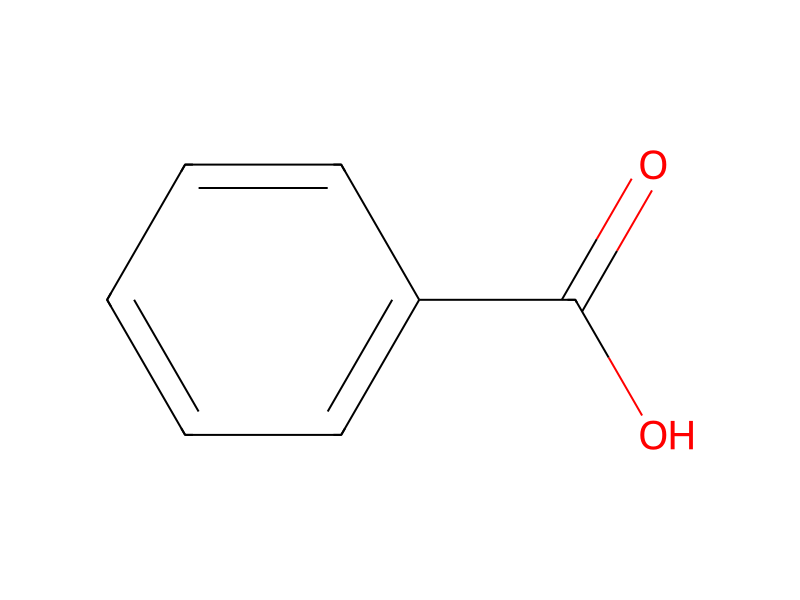
Benzoic Acid → 3-Hydroxyphthalic anhydride
Reaction equation

F[C:2]1[CH:3]=[C:4]2[C:9](=[O:10])[O:8][C:6](=[O:7])[C:5]2=[CH:11][CH:12]=1.[F-].[K+].[C:15]([OH:23])(=[O:22])[C:16]1[CH:21]=[CH:20][CH:19]=[CH:18][CH:17]=1>CN1C(=O)CCC1>[C:15]([O:23][C:11]1[CH:12]=[CH:2][CH:3]=[C:4]2[C:9]([O:8][C:6](=[O:7])[C:5]=12)=[O:10])(=[O:22])[C:16]1[CH:21]=[CH:20][CH:19]=[CH:18][CH:17]=1.[OH:22][C:11]1[CH:12]=[CH:2][CH:3]=[C:4]2[C:9]([O:8][C:6](=[O:7])[C:5]=12)=[O:10]Participants
6





Procedure
4-Fluorophthalic anhydride (0.44 g, 2.6 mmol shown as FPAN in table below), potassium fluoride (Aldrich, 0.14 g, 2.4 mmol), benzoic acid (Aldrich, 0.31 g, 2.5 mmol shown as BzOH in table below) and N-methyl pyrrolidinone (Aldrich, 3 ml) were heated in a 160° C. oil bath. The reaction was monitored by GC and showed the following results (BOPAN =benzoyloxyphthalic anhydride; ODPAN=oxydiphthalic anhydride; and HOPAN=hydroxyphthalic anhydride):
Sources & evidence
- ORD record
- ord-ea5c9c60f915492bbcb87391e03880bf
- Source dataset
- uspto-grants-1992_10
- Patent number
- US05153335
Reaction notes
Loading…