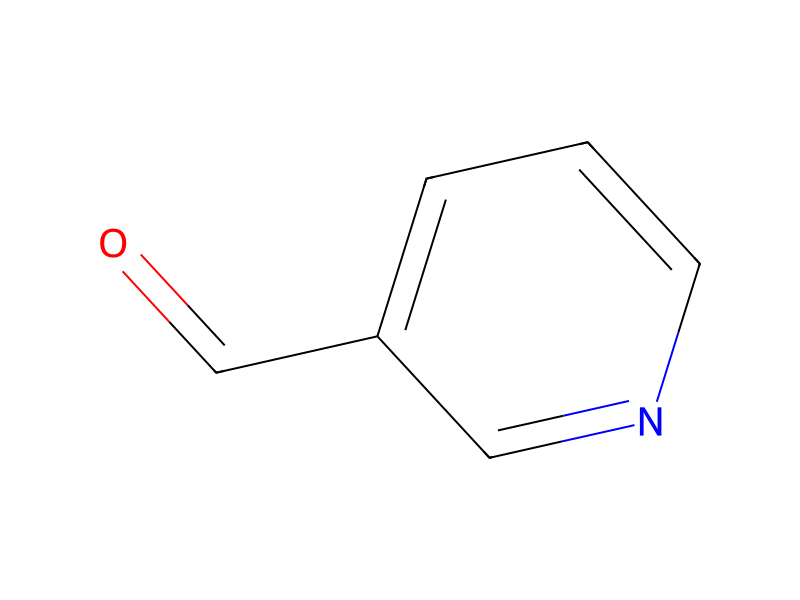
3-Pyridinecarboxaldehyde → Ethyl 5-(pyridin-3-yl)-2,4-pentadienoate
Reaction equation

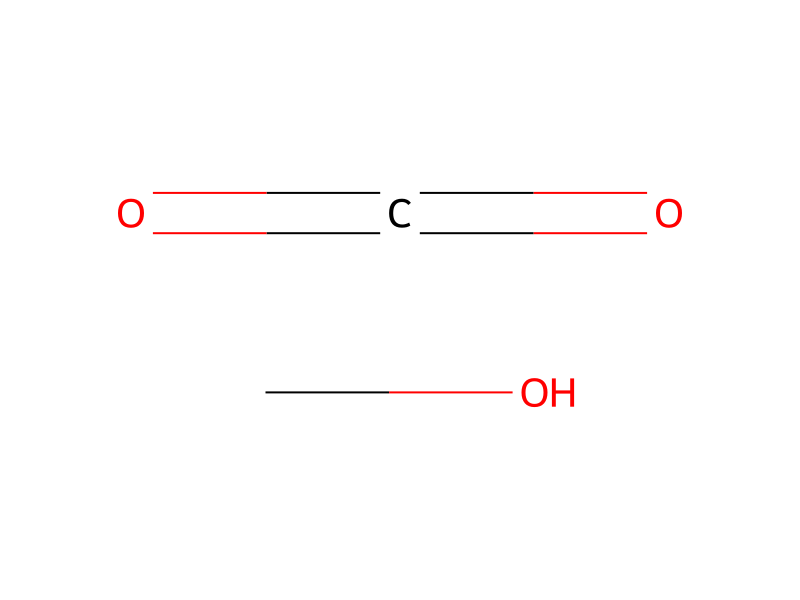
[Li+].CC([N-]C(C)C)C.C(=O)=O.CO.C(OP([CH2:22]/[CH:23]=[CH:24]/[C:25]([O:27][CH2:28][CH3:29])=[O:26])(OCC)=O)C.[CH:30](=O)[C:31]1[CH:36]=[CH:35][CH:34]=[N:33][CH:32]=1>C1COCC1.C(O)(=O)C>[N:33]1[CH:34]=[CH:35][CH:36]=[C:31]([CH:30]=[CH:22][CH:23]=[CH:24][C:25]([O:27][CH2:28][CH3:29])=[O:26])[CH:32]=1Participants
7
Reactant 4


Product 1

Reagents, catalysts & solvents 2


Procedure
A solution of LDA (16.5 ml of 2M solution, 3.5 g, 0.03 mol) in THF (100 ml) was cooled to −70° C. or below (dry ice-methanol bath) under a nitrogen flow and treated dropwise with ethyl 4-diethylphosphonocrotonate (8.6 g, 0.037 mmol) while stirring. The mixture was further stirred for 15 minutes, treated dropwise with nicotinaldehyde (3.2 g, 0.030 mol), and then stirred at 0° C. for 1.5 hours. Next, the mixture was treated with acetic acid and evaporated. To the residue was added saturated aqueous sodium hydrogen carbonate and the mixture was extracted with ethyl acetate. The extract was treated according to conventional techniques. Evaporation of solvent yielded ethyl 5-(pyridin-3-yl)penta-2,4-dienoate as an oil (6.7 g).
Workup
- stirringThe mixture was further stirred for 15 minutes
- stirringstirred at 0° C. for 1.5 hours
- customevaporated
- additionTo the residue was added saturated aqueous sodium hydrogen carbonate
- extractionthe mixture was extracted with ethyl acetate
- additionThe extract was treated
- customEvaporation of solvent
Sources & evidence
- ORD record
- ord-b1e8fe4b02d94af8afeefda62785ac90
- Source dataset
- uspto-grants-2003_11
- Patent number
- US06642250B2
Reaction notes
Loading…