Hydrochloric Acid → HCID 57682764, compound
Reaction equation

[CH2:1]([C:4]1[C:5]([O:15][CH2:16][O:17]C)=[C:6]([CH:10]=[CH:11][C:12]=1[O:13][CH3:14])[C:7](O)=[O:8])[CH:2]=[CH2:3].[C:19](N1C=CN=C1)([N:21]1C=CN=C1)=O.CN.Cl>O1CCCC1>[CH2:1]([C:4]1[C:5]2[O:15][C:16](=[O:17])[N:21]([CH3:19])[C:7](=[O:8])[C:6]=2[CH:10]=[CH:11][C:12]=1[O:13][CH3:14])[CH:2]=[CH2:3]Participants
Reactant 4

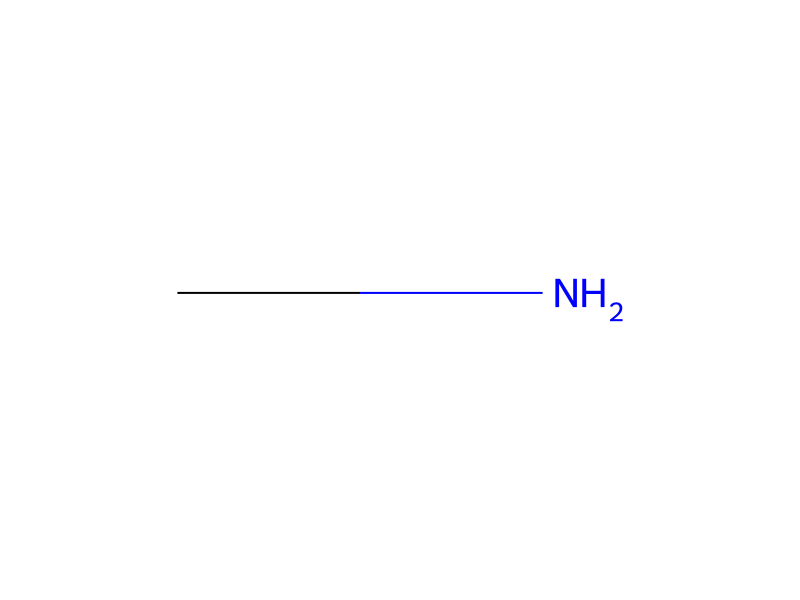


Product 1

Reagents, catalysts & solvents 1

Procedure
1.20 g of 3-allyl-4-methoxy-2-(methoxymethoxy)benzoic acid was dissolved in 15 ml of anhydrous tetrahydrofuran, and 0.84 g of 1,1′-carbonyldiimidazole was then added thereto. The obtained mixture was stirred at room temperature under nitrogen atmosphere for 25 minutes. Thereafter, 11.8 ml of methylamine (a 2.0 M tetrahydrofuran solution) was added to the reaction solution, and the obtained mixture was then stirred at room temperature for approximately 5 hours. Thereafter, the reaction mixture was cooled on ice, and 2.5 ml of concentrated hydrochloric acid was added thereto. The obtained mixture was stirred at room temperature for 15 minutes. The reaction solution was extracted with ethyl acetate. The organic layer was washed with water 3 times and then washed with a saturated sodium bicarbonate aqueous solution and a saturated sodium chloride solution. The resultant product was then dried over anhydrous magnesium sulfate. After removing the drying agent by filtration, the organic layer was concentrated under a reduced pressure. 20 ml of anhydrous tetrahydrofuran was added to the obtained residue, and then, 1.53 g of 1,1′-carbonyldiimidazole was added thereto. The reaction mixture was heated to reflux under nitrogen atmosphere for approximately 2 hours. The reaction solution was cooled to a room temperature, and the solvent was then removed under a reduced pressure. Ethyl acetate and water were added to the residue, so as to separate an organic layer. The obtained organic layer was washed with water twice and then with a saturated sodium chloride solution. The resultant product was then dried over anhydrous magnesium sulfate. After removing the drying agent by filtration, the organic layer was concentrated under a reduced pressure. The residue was reprecipitated from ethyl acetate-n-hexane, so as to obtain 0.97 g of the subject compound.
Workup
- stirringthe obtained mixture was then stirred at room temperature for approximately 5 hours
- additionwas added
- stirringThe obtained mixture was stirred at room temperature for 15 minutes
- extractionThe reaction solution was extracted with ethyl acetate
- washThe organic layer was washed with water 3 times
- washwashed with a saturated sodium bicarbonate aqueous solution
- dry with materialThe resultant product was then dried over anhydrous magnesium sulfate
- customAfter removing the drying agent
- filtrationby filtration
- concentrationthe organic layer was concentrated under a reduced pressure
- addition20 ml of anhydrous tetrahydrofuran was added to the obtained residue
- addition1.53 g of 1,1′-carbonyldiimidazole was added
- temperatureThe reaction mixture was heated
- temperatureto reflux under nitrogen atmosphere for approximately 2 hours
- temperatureThe reaction solution was cooled to a room temperature
- customthe solvent was then removed under a reduced pressure
- additionEthyl acetate and water were added to the residue
- customso as to separate an organic layer
- washThe obtained organic layer was washed with water twice
- dry with materialThe resultant product was then dried over anhydrous magnesium sulfate
- customAfter removing the drying agent
- filtrationby filtration
- concentrationthe organic layer was concentrated under a reduced pressure
- customThe residue was reprecipitated from ethyl acetate-n-hexane
Sources & evidence
- ORD record
- ord-62b4cb5bbb6046c6a26a42b3df670b7d
- Source dataset
- uspto-grants-2009_05
- Patent number
- US07538123B2
Reaction notes
Loading…