Hydrochloric Acid → 4-(3-Bromobenzyl)-5-methylthiazole-2-carboxylic acid
Reaction equation

[Br:1][C:2]1[CH:3]=[C:4]([CH:17]=[CH:18][CH:19]=1)[CH2:5][C:6]1[N:7]=[C:8]([C:12]([O:14]CC)=[O:13])[S:9][C:10]=1[CH3:11].O[Li].O.Cl>C1COCC1.CO.O.CCOC(C)=O.O>[Br:1][C:2]1[CH:3]=[C:4]([CH:17]=[CH:18][CH:19]=1)[CH2:5][C:6]1[N:7]=[C:8]([C:12]([OH:14])=[O:13])[S:9][C:10]=1[CH3:11]Participants
7
Reactant 3



Product 1

Reagents, catalysts & solvents 3


Procedure
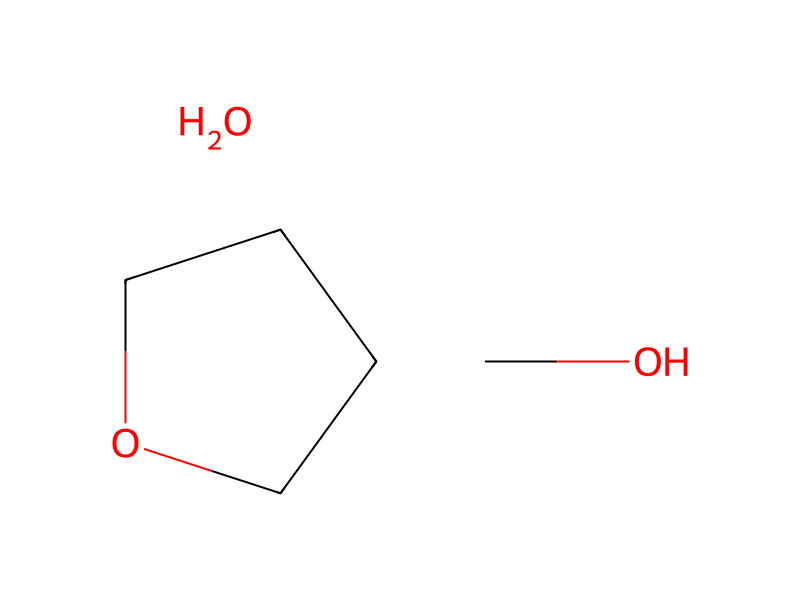
A solution of ethyl 4-(3-bromobenzyl)-5-methylthiazole-2-carboxylate (20 mg, 0.06 mmol) was treated with LiOH.H2O (7.5 mg, 0.18 mmol) in 2 mL of THF/MeOH/H2O (2:1:1) and stirred at RT for 2 h. The reaction was diluted with EtOAc and H2O and then acidified by 6N HCl. The organic layer was separated and concentrated to give a crude which was used in the next step without further purification.
Workup
- customThe organic layer was separated
- concentrationconcentrated
- customto give a crude which
- customwas used in the next step without further purification
Sources & evidence
- ORD record
- ord-1bcc059b980245e1a5ec5e309f855f0a
- Source dataset
- uspto-grants-2015_08
- Patent number
- US09115120B2
Reaction notes
Loading…