Potassium Carbonate → 2(1H)-Isoquinolinecarboxylic acid, 6-(cyclopropylmethoxy)-3,4-dihydro-4-hydroxy-, 1,1-dimethylethyl ester
Reaction equation

[C:1]([O:5][C:6]([N:8]1[CH2:17][CH:16]([OH:18])[C:15]2[C:10](=[CH:11][CH:12]=[C:13]([OH:19])[CH:14]=2)[CH2:9]1)=[O:7])([CH3:4])([CH3:3])[CH3:2].Br[CH2:21][CH:22]1[CH2:24][CH2:23]1.C([O-])([O-])=O.[K+].[K+]>CN(C=O)C.O>[C:1]([O:5][C:6]([N:8]1[CH2:17][CH:16]([OH:18])[C:15]2[C:10](=[CH:11][CH:12]=[C:13]([O:19][CH2:21][CH:22]3[CH2:24][CH2:23]3)[CH:14]=2)[CH2:9]1)=[O:7])([CH3:4])([CH3:2])[CH3:3]Participants
6
Reactant 3

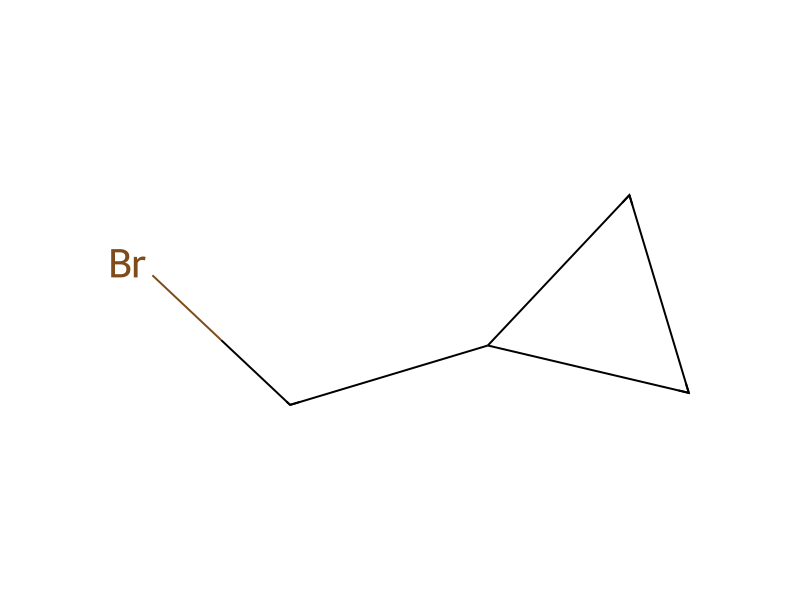

Product 1

Reagents, catalysts & solvents 2


Procedure
1.50 g (5.65 mmol) 4,6-Dihydroxy-3,4-dihydro-1H-isoquinoline-2-carboxylic acid tert-butyl ester (example XLII), 840 mg (6.22 mmol) (bromomethyl)cyclopropane and 1.60 g (11.3 mmol) K2CO3 in 10 mL DMF are stirred at 80° C. over night. The reaction mixture is diluted with water and extracted with DCM. The organic layer is concentrated by evaporation and the residue is purified by HPLC.
Workup
- customare stirred at 80° C. over night
- extractionextracted with DCM
- concentrationThe organic layer is concentrated by evaporation
- customthe residue is purified by HPLC
Sources & evidence
- ORD record
- ord-ca09cf2e90624af1b8832ff2e252fe66
- Source dataset
- uspto-grants-2016_05
- Patent number
- US09340510B2
Reaction notes
Loading…