Hydrochloric Acid → Piperazine, 1-[4-bromo-2-(1,1-dimethylethyl)phenyl]-, hydrochloride (1:2)
Reaction equation

[Br:1][C:2]1[CH:8]=[CH:7][C:5]([NH2:6])=[C:4]([C:9]([CH3:12])([CH3:11])[CH3:10])[CH:3]=1.[ClH:13].[Cl:14][CH2:15][CH2:16][NH:17][CH2:18][CH2:19]Cl.[OH-].[Na+].Cl>COCCOCCOC.C(OCC)(=O)C.CCOCC>[ClH:14].[ClH:13].[Br:1][C:2]1[CH:8]=[CH:7][C:5]([N:6]2[CH2:19][CH2:18][NH:17][CH2:16][CH2:15]2)=[C:4]([C:9]([CH3:12])([CH3:11])[CH3:10])[CH:3]=1Participants
8
Reactant 4




Product 1

Reagents, catalysts & solvents 3


Conditions
- Temperature
- 170 °C
Procedure
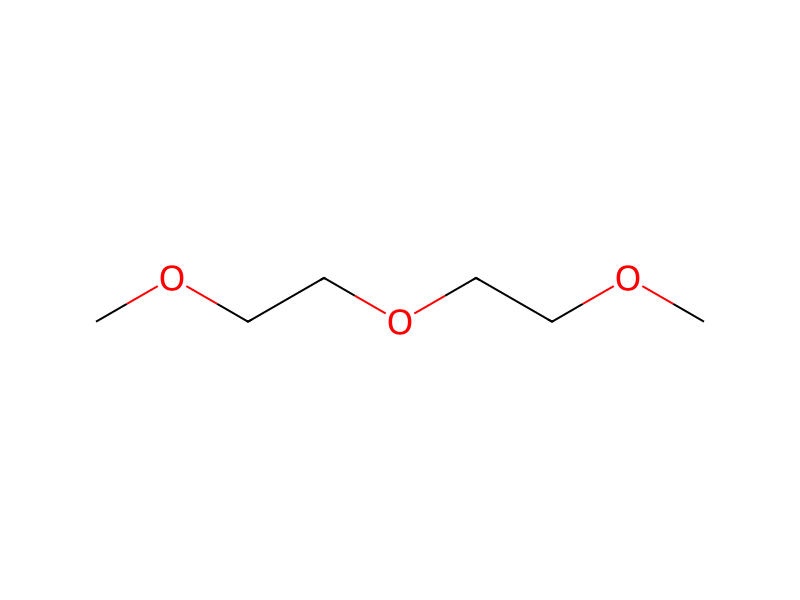
A suspension of 4-bromo-2-tert-butylaniline (Reference Example 8, 25.0 g, 110 mmol) and bis(2-chloroethyl)amine hydrochloride (21.5 g, 120 mmol) in diethylene glycol dimethyl ether (157 mL) was stirred for 3 days at 170° C. It was cooled to room temperature, added 1 M sodium hydroxide solution (50 mL), and extracted with ethyl acetate. The extract was washed with brine, dried over anhydrous magnesium sulfate, and concentrated under reduced pressure to give crude product. It was diluted with ethyl acetate and ether (50:50) and added 1 M hydrochloric acid solution to provide 1-(4-bromo-2-tert-butylphenyl)piperazine dihydrochloride (16.2 g, 40%) as a gray solid.
Workup
- temperatureIt was cooled to room temperature
- extractionextracted with ethyl acetate
- washThe extract was washed with brine
- dry with materialdried over anhydrous magnesium sulfate
- concentrationconcentrated under reduced pressure
- customto give crude product
Sources & evidence
- ORD record
- ord-aded8697d3b843e78c6180e5a9014580
- Source dataset
- uspto-grants-2014_10
- Patent number
- US08853215B2
Reaction notes
Loading…