Hydrochloric Acid → HCID 68284964, compound
Reaction equation

C([O:4][CH2:5][C:6]([CH2:8][S:9]([C:12]1[CH:17]=[CH:16][C:15]([CH3:18])=[CH:14][CH:13]=1)(=[O:11])=[O:10])=O)(=O)C.[CH3:19][NH:20][NH2:21].C(N([CH2:27][CH3:28])CC)C.[OH2:29].[OH-].[Li+].Cl.[CH2:33]1[CH2:37]O[CH2:35][CH2:34]1>O>[CH2:34]([C:33]1[CH:37]=[C:13]([CH3:12])[CH:14]=[C:15]([CH2:16][CH3:17])[C:18]=1[C:6]1[C:5](=[O:4])[N:20]([CH3:19])[N:21]=[C:28]([CH2:27][OH:29])[C:8]=1[S:9]([C:12]1[CH:13]=[CH:14][C:15]([CH3:18])=[CH:16][CH:17]=1)(=[O:10])=[O:11])[CH3:35]Participants

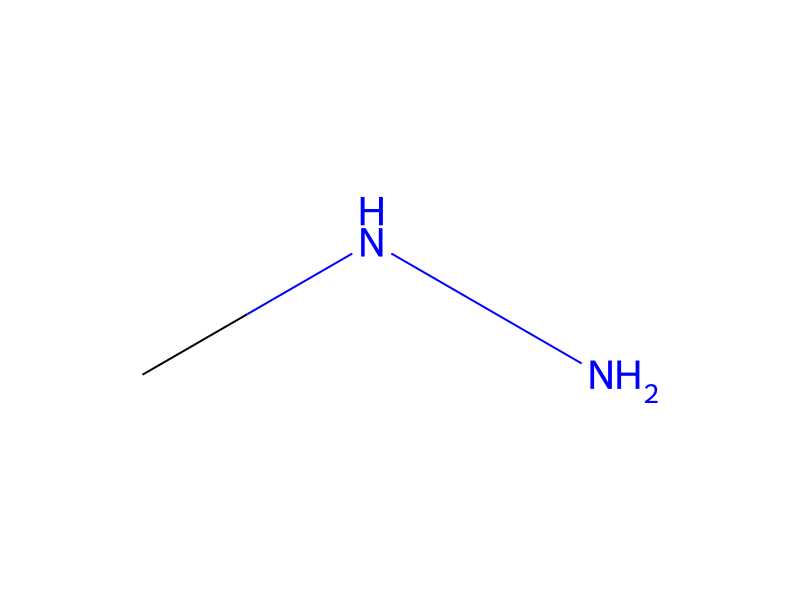






Procedure
1-acetoxy-3-(4-methylphenylsulfonyl)acetone (17.5 g, 64.7 mmol) was dissolved in THF (60 ml), and ice-cooled. To the solution was slowly added methylhydrazine (2.98 g, 64.7 mmol) dropwise. After ice-bath was removed, the mixture was stirred at room temperature overnight. To the reaction solution was added triethylamine (10.8 ml, 77.5 mmol), and then a solution of (2,6-diethyl-4-methylphenyl)glyoxyl chloride (15.4 g, 64.7 mmol) in THF. (30 ml) was slowly added. The reaction mixture was stirred at room temperature for 3 hours, then stirred under reflux for 1.5 hours. After the reaction solution was cooled to room temperature, the reaction solution was diluted with water, and extracted with tert-butyl methyl ether. The organic layer was washed with saturated aqueous sodium hydrogen carbonate solution, then saturated brine, dried over anhydrous magnesium sulfate, and concentrated under reduced pressure. The residue was dissolved in methanol (70 ml), and ice-cooled. To the solution was added lithium hydroxide monohydrate (8.14 g, 194 mmol), and stirred at 0° C. for 5 hours. To the reaction solution was added 2N hydrochloric acid (150 ml), concentrated under reduced pressure to remove methanol. The residue was extracted with ethyl acetate 2 times. The combined organic layer was washed with saturated aqueous sodium hydrogen carbonate solution, then saturated brine, dried over anhydrous magnesium sulfate, and concentrated under reduced pressure. The residue was purified by silica gel column chromatography (hexane:ethyl acetate=1:1) to give 2.58 g of 4-(2,6-diethyl-4-methylphenyl)-6-hydroxymethyl-5-(4-methylphenylsulfonyl)-2-methyl-3(2H)-pyridazinone (yield: 9%) as solid.
Workup
- temperatureice-cooled
- customAfter ice-bath was removed
- addition(30 ml) was slowly added
- stirringThe reaction mixture was stirred at room temperature for 3 hours
- stirringstirred
- temperatureunder reflux for 1.5 hours
- temperatureAfter the reaction solution was cooled to room temperature
- extractionextracted with tert-butyl methyl ether
- washThe organic layer was washed with saturated aqueous sodium hydrogen carbonate solution
- dry with materialsaturated brine, dried over anhydrous magnesium sulfate
- concentrationconcentrated under reduced pressure
- dissolutionThe residue was dissolved in methanol (70 ml)
- temperatureice-cooled
- stirringstirred at 0° C. for 5 hours
- concentrationconcentrated under reduced pressure
- customto remove methanol
- extractionThe residue was extracted with ethyl acetate 2 times
- washThe combined organic layer was washed with saturated aqueous sodium hydrogen carbonate solution
- dry with materialsaturated brine, dried over anhydrous magnesium sulfate
- concentrationconcentrated under reduced pressure
- customThe residue was purified by silica gel column chromatography (hexane:ethyl acetate=1:1)
Sources & evidence
- ORD record
- ord-73a821b16383433fa32ab55da3172010
- Source dataset
- uspto-grants-2015_05
- Patent number
- US09029295B2
Reaction notes
Loading…