4-Bromophenol → 2-(4-Bromophenoxy)imidazo[1,2-a]pyridine
Reaction equation

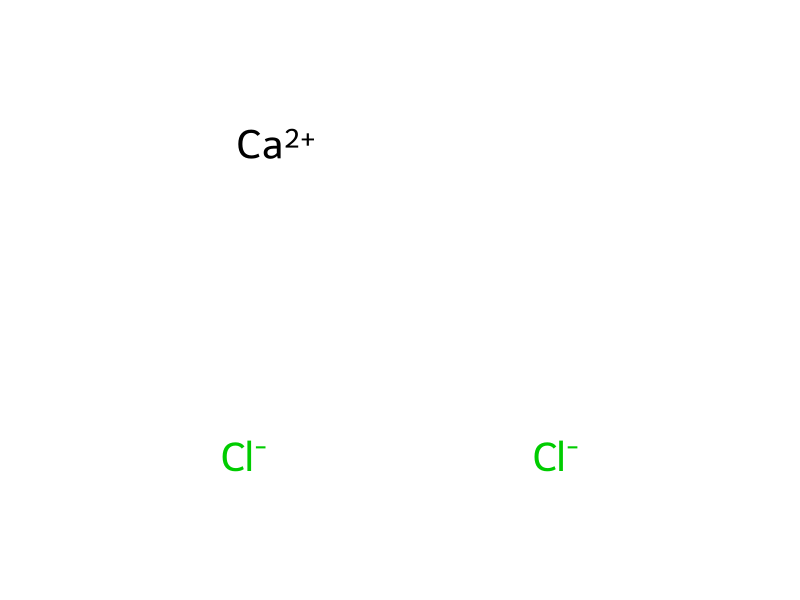
Cl[C:2]1[N:3]=[C:4]2[CH:9]=[CH:8][CH:7]=[CH:6][N:5]2[C:10]=1C(OCC)=O.[CH:16]1[C:21]([OH:22])=[CH:20][CH:19]=[C:18]([Br:23])[CH:17]=1.[H-].[Na+].[Cl-].[Cl-].[Ca+2]>CN(C=O)C.CO>[Br:23][C:18]1[CH:19]=[CH:20][C:21]([O:22][C:2]2[N:3]=[C:4]3[CH:9]=[CH:8][CH:7]=[CH:6][N:5]3[CH:10]=2)=[CH:16][CH:17]=1Participants
7
Reactant 4



Product 1

Reagents, catalysts & solvents 2


Procedure
Ethyl 2-chloroimidazo[1,2-a]pyridine-3-carboxylate (2.00 g) was added to a solution of p-bromophenol (1.617 g) and NaH (0.427 g) in DMF (10 mL) at 100° C. The mixture was stirred at 100° C. under a dry atmosphere (CaCl2 tube) overnight. The reaction mixture was diluted with MeOH, and concentrated under reduced pressure. The residue was purified by silica gel column chromatography (AcOEt/hexane) to give the title compound (530 mg).
Workup
- concentrationconcentrated under reduced pressure
- customThe residue was purified by silica gel column chromatography (AcOEt/hexane)
Sources & evidence
- ORD record
- ord-a303b031cdc644cb8d1c3fc4e8821dcd
- Source dataset
- uspto-grants-2015_05
- Patent number
- US09029536B2
Reaction notes
Loading…