Hydrochloric Acid → Methyl 3-(2-methoxyphenyl)-3-oxopropanoate
Reaction equation

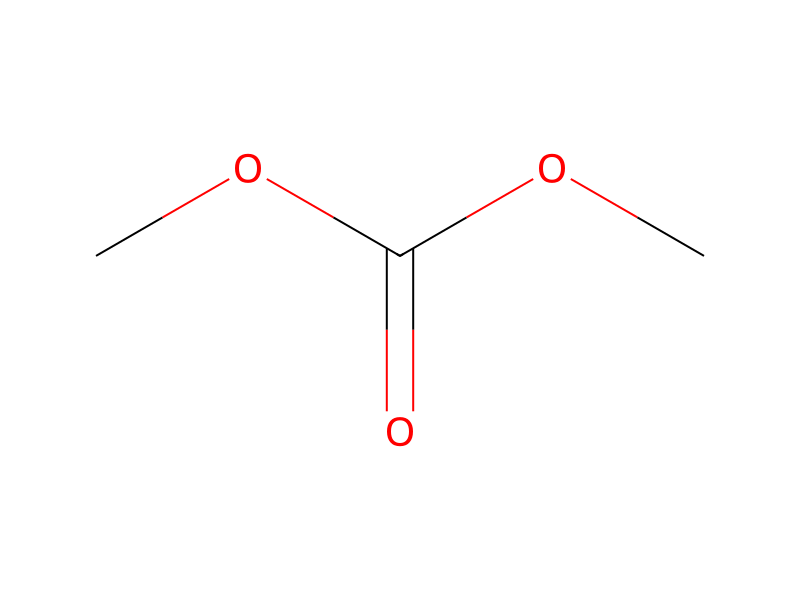
C[Si](N[Si](C)(C)C)(C)C.[CH3:10][C:11]([C:13]1[CH:18]=[CH:17][C:16](OC)=[CH:15][CH:14]=1)=[O:12].[CH3:21][O:22][C:23](=[O:26])OC.Cl.C1C[O:31][CH2:30]C1>CCOC(C)=O>[CH3:21][O:22][C:23](=[O:26])[CH2:10][C:11]([C:13]1[CH:14]=[CH:15][CH:16]=[CH:17][C:18]=1[O:31][CH3:30])=[O:12]Participants






Conditions
- Temperature
- -78 °C
Procedure
Bis-(trimethylsilyl)amine (158.2 mL, 0.750 mol) was dissolved in 150 mL of THF and cooled to -78° C. with the aid of a dry ice/acetone bath. N-butyl lithium (2.5 M in hexane, 300 mL, 0.750 mol) was introduced via cannula into the system and stirred at that temperature for 20 min. 4-methoxy acetophenone (51.20 g, 0.340 mol) was added via a solid addition funnel and stirred at -78° C. for 3 h. Dimethylcarbonate (87.0 mL, 1.02 mol) was added via cannula and the system allowed to stir overnight with warming to room temperature. The solution was acidified with 10% HCl, diluted with 1 liter of EtOAc and washed three times with 400 mL of 10% HCl. The organics were dried over MgSO4, filtered through a silica gel plug and the volatiles removed in vacuum. The title compound was obtained as a viscous brown oil (65.09 g, 91.7%) MS (NH3 -DCI) 347.9 (M+H)+.
Workup
- stirringstirred at -78° C. for 3 h
- stirringto stir overnight
- temperaturewith warming to room temperature
- washwashed three times with 400 mL of 10% HCl
- dry with materialThe organics were dried over MgSO4
- filtrationfiltered through a silica gel plug
- customthe volatiles removed in vacuum
Sources & evidence
- ORD record
- ord-3854a1972d134a06a773d7631c682ef3
- Source dataset
- uspto-grants-1999_12
- Patent number
- US05998424
Reaction notes
Loading…