Sodium Thiosulfate → HCID 19592642, compound
Reaction equation

[Cl:1][C:2]1[CH:20]=[CH:19][CH:18]=[C:17]([Cl:21])[C:3]=1[C:4]([NH:6][C:7]1[CH:8]=[CH:9][CH:10]=[C:11]2[C:16]=1[N:15]=[CH:14][CH:13]=[CH:12]2)=[O:5].ClC1C=CC=C(C(OO)=[O:30])C=1.S([O-])([O-])(=O)=S.[Na+].[Na+]>C(Cl)CCl>[Cl:1][C:2]1[CH:20]=[CH:19][CH:18]=[C:17]([Cl:21])[C:3]=1[C:4]([NH:6][C:7]1[CH:8]=[CH:9][CH:10]=[C:11]2[C:16]=1[N+:15]([O-:30])=[CH:14][CH:13]=[CH:12]2)=[O:5]Participants
5
Reactant 3
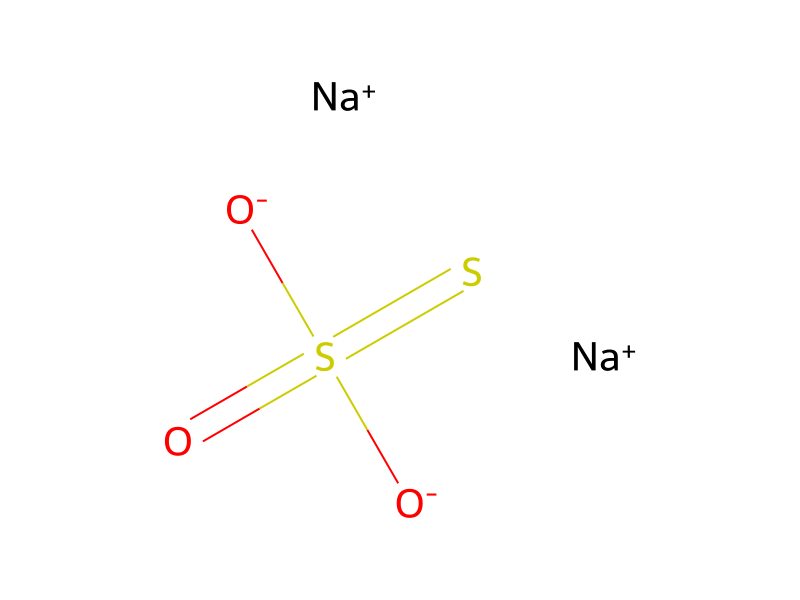


Product 1

Reagents, catalysts & solvents 1

Procedure
A solution of 8-(2,6-dichlorobenzoylamino)quinoline (100 mg) and m-chloroperbenzoic acid (71 mg) in ethylene chloride was stirred for 1 hour at 40° C. To the mixture was added 5% sodium thiosulfate solution, and the mixture was partitioned between dichloromethane and saturated sodium bicarbonate solution. The organic layer was dried over magnesium sulfate and evaporated in vacuo. The residue was recrystallized from dichloromethane-methanol to give 8-(2,6-dichlorobenzoylamino)quinoline 1-oxide (48 mg).
Workup
- customthe mixture was partitioned between dichloromethane and saturated sodium bicarbonate solution
- dry with materialThe organic layer was dried over magnesium sulfate
- customevaporated in vacuo
- customThe residue was recrystallized from dichloromethane-methanol
Sources & evidence
- ORD record
- ord-d383037a16884140a92cb835e62b0819
- Source dataset
- uspto-grants-1999_12
- Patent number
- US06008230
Reaction notes
Loading…