Acetoacetic Acid → Hydroquinone mono-acetate
Reaction equation

CC([CH2:4][C:5]([OH:7])=[O:6])=O.[C:8]1([CH:15]=[CH:14][C:12]([OH:13])=[CH:11][CH:10]=1)[OH:9].C(OC(=O)C)(=O)C.C(N(CC)CC)C>CN(C)C1C=CN=CC=1.C(OCC)(=O)C>[C:5]([OH:7])(=[O:6])[CH3:4].[C:8]1([CH:15]=[CH:14][C:12]([OH:13])=[CH:11][CH:10]=1)[OH:9]Participants
Reactant 4
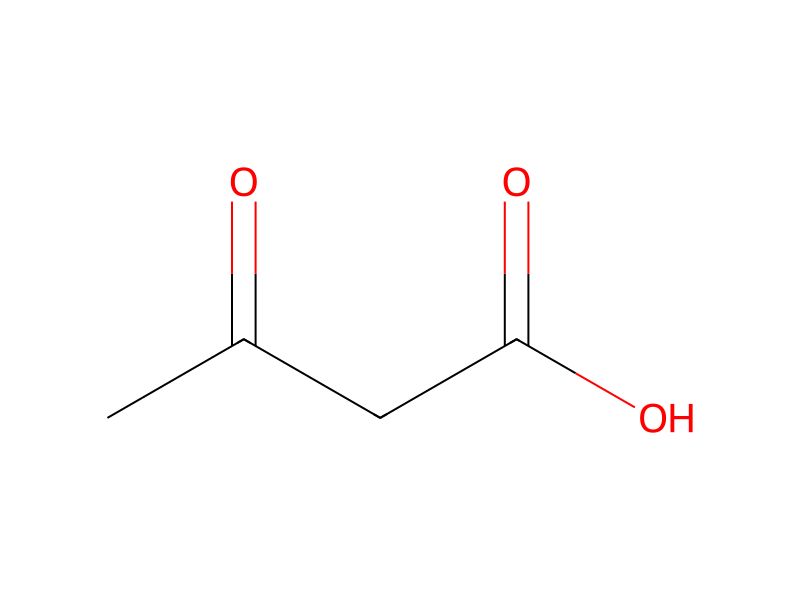



Product 1

Reagents, catalysts & solvents 2


Procedure
The preparation of monoacetates of hydroquinone and catechol has been investigated, according to early publications, with varying results. Oltcott (J. Am. Chem. Soc. 59, 1937, 392-393) has found, that the monacetylation of these two dihydroxybenzenes can be performed by careful reaction with an acetylating agent, e.g. acetic anhydride, in aqueous alkaline solution. The desired mono-acetate was obtained in a yield of only 20-30%, whereas the major product obtained was the diacetate. Johnston (Chem. Ind. 1982, 1000) has succeeded in improving the formation of the mono-acetate of hydroquinone from hydroquinone and acetic anhydride by using triethyl amine as a base and 4-dimethylaminopyridine (DMAP) as a catalyst, in a polar organic solvent, viz. in ethyl acetate solution. Under such reaction conditions, Johnston has succeeded in obtaining hydroquinone mono-acetate in yields of 58-65%.
Workup
- customobtained
- customUnder such reaction conditions, Johnston
Sources & evidence
- ORD record
- ord-9348bd773cba47c5ad30ae5ba95f049a
- Source dataset
- uspto-grants-1999_09
- Patent number
- US05948909
Reaction notes
Loading…