Oxygen → 1-Adamantanol
Reaction equation

[CH:1]12[CH2:10][CH:5]3[CH2:6][CH:7]([CH2:9][CH:3]([CH2:4]3)[CH2:2]1)[CH2:8]2.[OH:11]N1[C:16](=[O:17])[C:15]2=[CH:18][CH:19]=[CH:20][CH:21]=[C:14]2C1=O.O=O>C(O)(=O)C>[C:1]12([OH:11])[CH2:10][CH:5]3[CH2:6][CH:7]([CH2:9][CH:3]([CH2:4]3)[CH2:2]1)[CH2:8]2.[CH:15]12[CH2:14][CH:21]3[CH2:20][CH:19]([CH2:8][CH:1]([CH2:2]3)[C:16]1=[O:17])[CH2:18]2Participants
6
Reactant 3

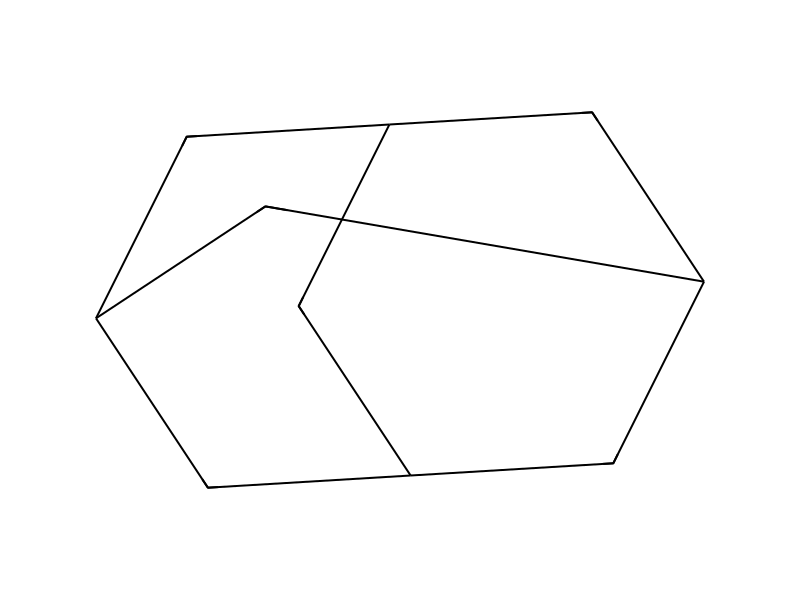

Product 2


Reagents, catalysts & solvents 1

Procedure
To 25 milliliters of acetic acid were added 10 millimoles of adamantane, 1 millimole of N-hydroxyphthalimide and 0.05 millimole of acetylacetonatocopper(II) Cu(AA)2. In an oxygen atmosphere, the resultant mixture was stirred at a temperature of 75° C. for 6 hours. Adamantane was transformed, with a transformation rate of 53%, into 1-adamantanol (yield 50%) and 2-adamantanone (yield 4%). The selectivity for the alcohol and ketone was 97%.
Sources & evidence
- ORD record
- ord-c2cd220e33a145aebf42eb1eeaeff962
- Source dataset
- uspto-grants-1999_09
- Patent number
- US05958821
Reaction notes
Loading…