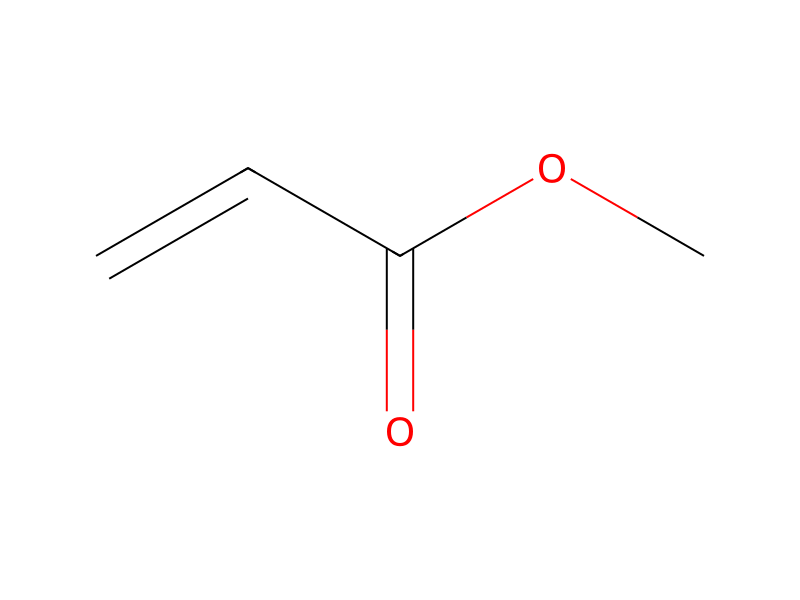
Methyl Acrylate → Methyl (E)-3-(6-heptyloxynaphth-2-yl)acrylate
Reaction equation

Br[C:2]1[CH:3]=[C:4]2[C:9](=[CH:10][CH:11]=1)[CH:8]=[C:7]([O:12][CH2:13][CH2:14][CH2:15][CH2:16][CH2:17][CH2:18][CH3:19])[CH:6]=[CH:5]2.[C:20]([O:24][CH3:25])(=[O:23])[CH:21]=[CH2:22].C1(C)C=CC=CC=1P(C1C=CC=CC=1C)C1C=CC=CC=1C>C([O-])(=O)C.[Pd+2].C([O-])(=O)C.C(N(CC)CC)C>[CH2:13]([O:12][C:7]1[CH:8]=[C:9]2[C:4](=[CH:5][CH:6]=1)[CH:3]=[C:2](/[CH:22]=[CH:21]/[C:20]([O:24][CH3:25])=[O:23])[CH:11]=[CH:10]2)[CH2:14][CH2:15][CH2:16][CH2:17][CH2:18][CH3:19]Participants
6





Procedure
A mixture of 5.2 g of 6-bromo-2-heptyloxynaphthalene, 25 ml of triethylamine, 4.3 ml of methyl acrylate, 0.072 g of palladium acetate and 0.392 g of tri-o-tolylphosphine is refluxed for 16 hours. The reaction mixture is then cooled and is partitioned between ethyl acetate and water and the organic phase is washed with water, dried over magnesium sulfate, filtered and evaporated down. The residue is chromatographed over 250 g of silica gel using toluene/ethyl acetate (3:1) and then crystallized from toluene. This gives methyl (E)-3-(heptyloxynaphth-2-yl)acrylate.
Workup
- temperatureis refluxed for 16 hours
- temperatureThe reaction mixture is then cooled
- customis partitioned between ethyl acetate and water
- washthe organic phase is washed with water
- dry with materialdried over magnesium sulfate
- filtrationfiltered
- customevaporated down
- customThe residue is chromatographed over 250 g of silica gel
- customcrystallized from toluene
Sources & evidence
- ORD record
- ord-66da3151daeb4fe9bf4d1e312a52499b
- Source dataset
- uspto-grants-2001_08
- Patent number
- US06277502B1
Reaction notes
Loading…